

This post contains discussion of mental health issues.
You most likely know British actor Hannah Murray from her portrayal of Gilly in Game of Thrones. If you're of a certain age, you probably know her best as Cassie from Skins.
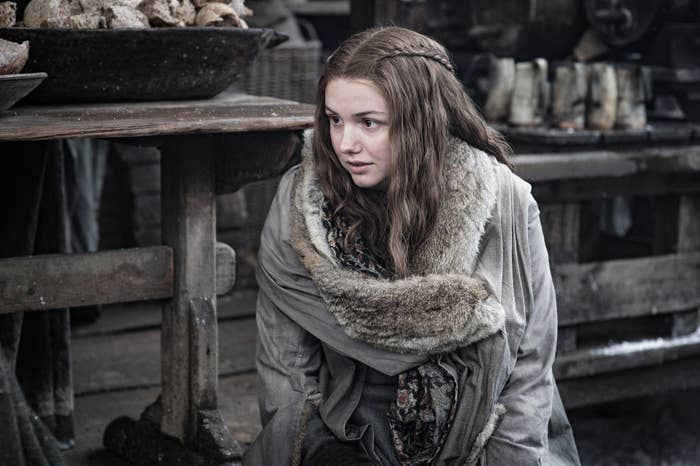
Hannah has a new memoir out, The Make-Believe: A Memoir of Magic and Madness, and in an interview with the Guardian about the book, she reveals that, in the late 2010s, she joined a wellness cult that led to her experiencing a psychotic episode.
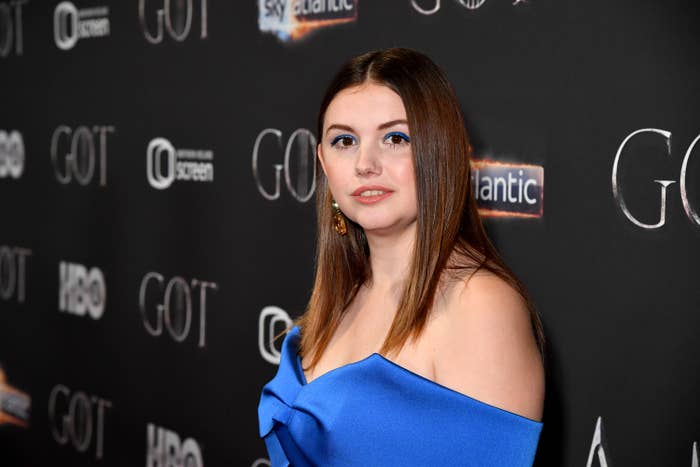
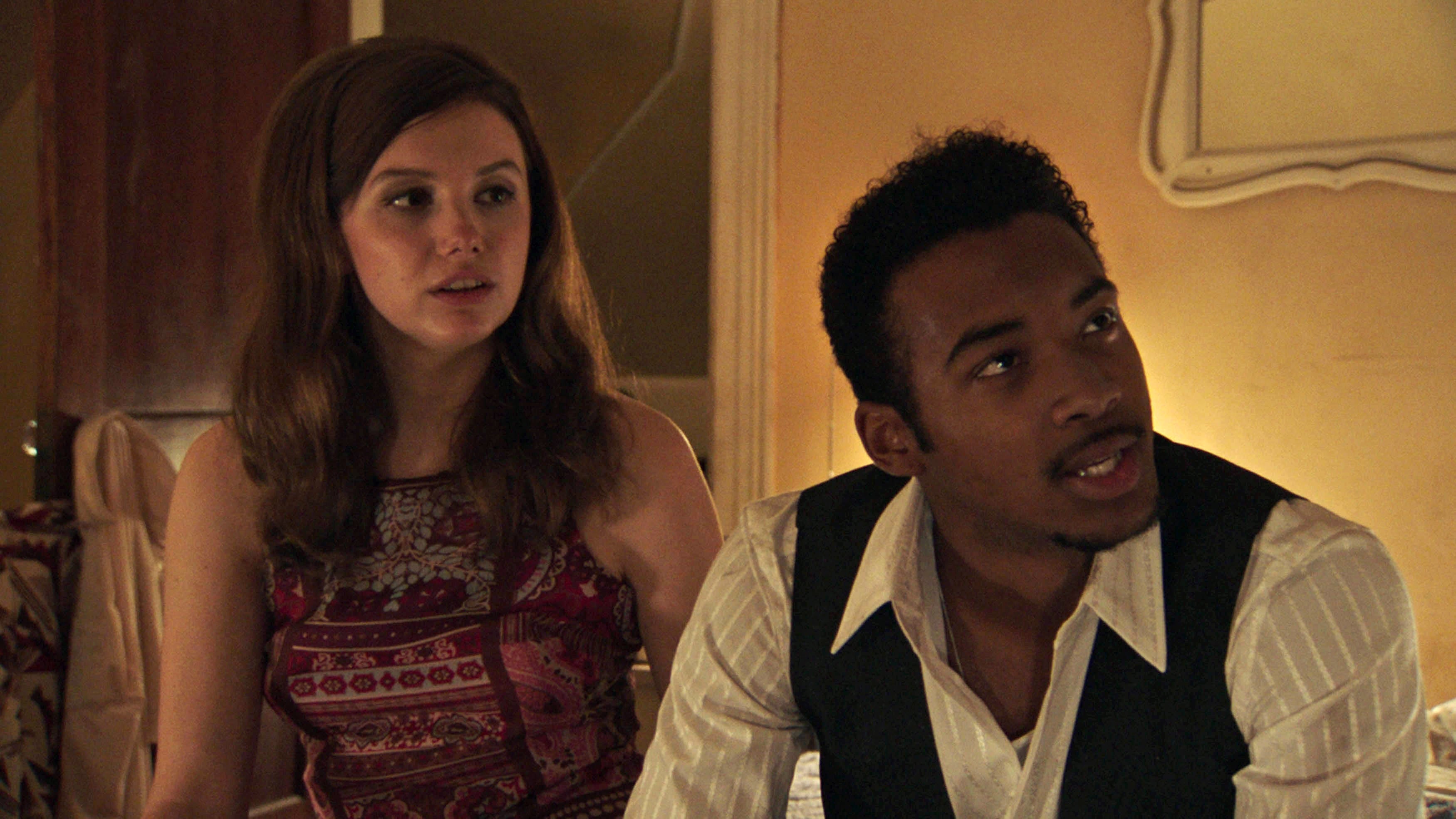
Hannah says that she joined the wellness cult in question after becoming friends with another person who worked on the film Detroit, which she starred in back in 2017. At first, she paid $150 for a healing session, and eventually she found herself attending a class and becoming more involved with the organization.
“I wanted to go further and further, as far as you could go,” she said, while explaining that she eventually realized the organization resembled the structure of a pyramid scheme. “The pyramid was structured to exploit everyone who tried to climb it. Except for one person, one man, who sat at the very top,” she writes in the book.
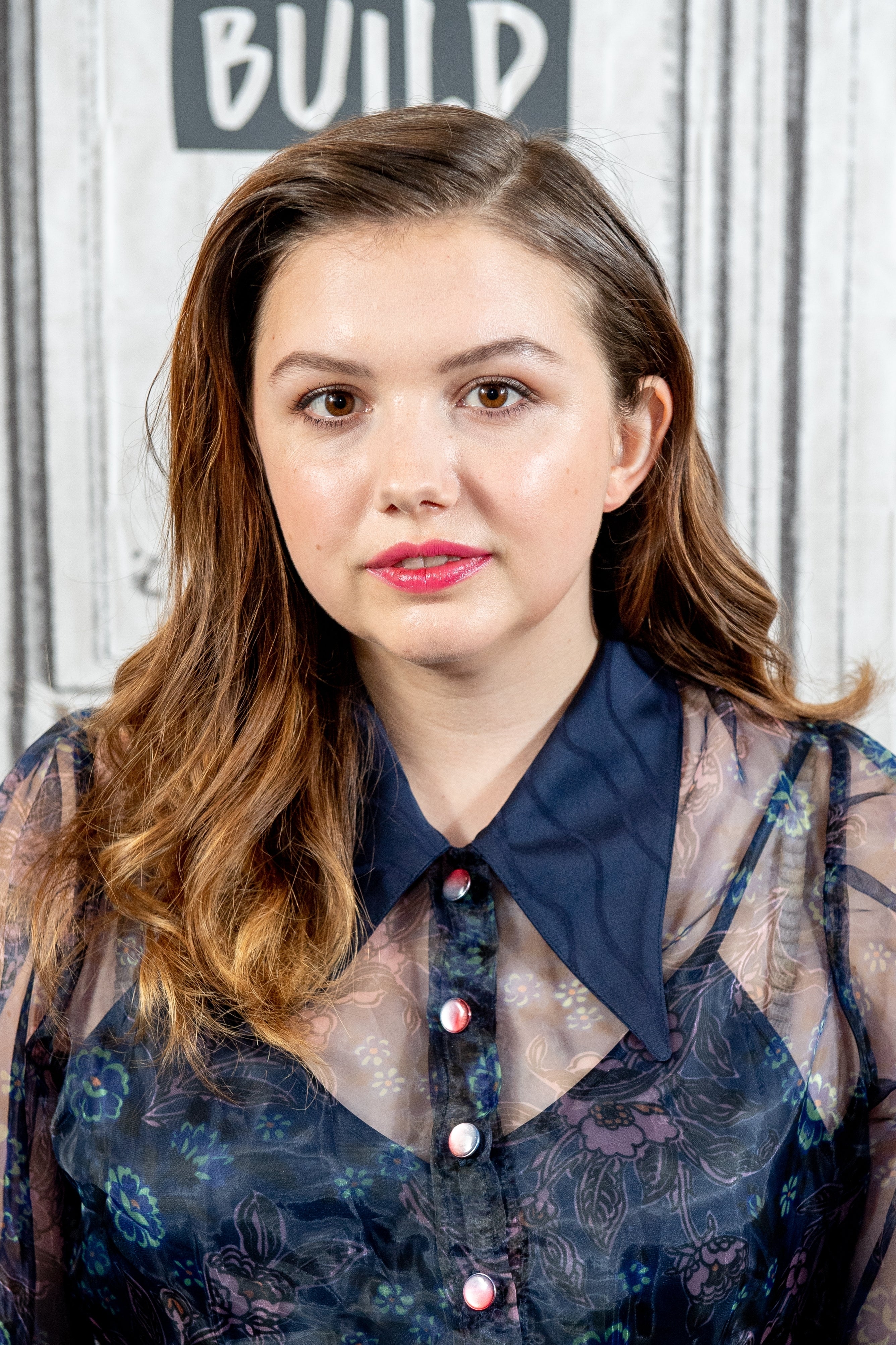
In the book, she refers to the man in question as someone who “exuded power in a way I had never known anyone to exude it. Magical power…I knew I was in the presence of a magician.”

Hannah went on to say that her attraction to the cult was connected to the appeal of the Harry Potter franchise. “The most appealing thing was the idea that you might discover this whole magical world just under the surface of our world. As a kid, I desperately wanted that to be true,” she said.
Eventually, her participation in the organization led to taking place a five-day course at a London hotel — which then led to experiencing a psychotic episode that required a 28-day hospital stay. She was later diagnosed with bipolar disorder.
“When I was going through psychosis, my brain was a cocktail of those stories, this idea that I had discovered the truth, which was that I had this incredible destiny," she recalled. "I was going to save the world. I could fly.”
“It’s easy to go, ‘Well, that would never happen to me,’ but we do ourselves a disservice when we start saying that, because you don’t know,” Hannah said. “I had no idea I was going to go through any of the things in the book. I would’ve assumed I couldn’t, that I was safe. I was well educated, from a middle-class family; everything should have been fine. I thought, ‘I’m smart. I make good choices.’ Well, I made terrible choices.”

“It’s important to understand why people do these things, rather than going, ‘Oh, they must be idiots.’ Or, ‘How stupid could you be?'”

Comments