


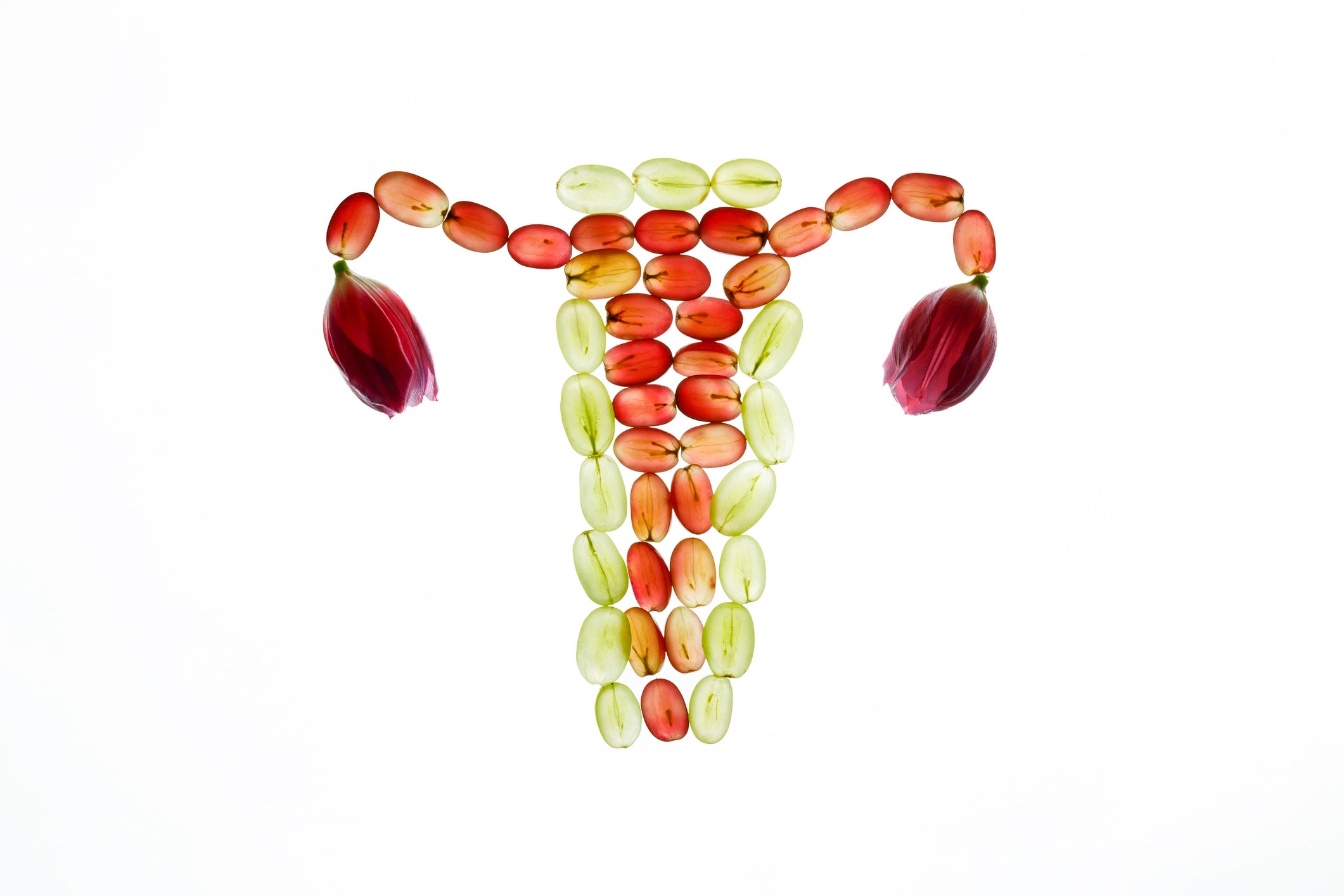
PCOS, or polycystic ovary syndrome, affects 1 in 8 women, but many have overlooked its impact on the endocrine and metabolic systems. It is not solely a gynecological or ovarian disorder, but polycystic ovaries have been widely considered its primary feature for decades.

However, a new name for the condition aims to raise awareness of its whole-body effects, which could lead to reduced stigma, greater scientific accuracy, and faster diagnoses. On May 12, a paper published in The Lancet outlined the reasoning and process behind the name change, as well as what it could mean for women’s healthcare moving forward. But how do real women with PCOS feel about their condition's new name?

Polyendocrine Metabolic Ovary Syndrome (PMOS) is the term adopted by professionals from 56 leading health organizations worldwide, along with over 14,000 patients with the condition. While the previous name inaccurately suggested that polycystic ovaries were the primary characteristic of the syndrome, the new name more accurately reflects the endocrine and metabolic changes at the root of its features.

Unfortunately, I am only one of countless women whose healthcare and diagnoses have been delayed because of a narrow view of PMOS and its effects. Despite symptoms like weight gain, excess hair growth, and debilitating periods appearing shortly after puberty, it took over a decade for me to finally get the answer I was looking for. It wasn’t until my third year of college, when I could rake my fingers through my hair and pull out clumps at a time, that I pushed for the ultrasound that would change everything.

The ultrasound technician instantly recognized my ovaries as polycystic and assumed I had been diagnosed for years. When she commented on my ‘string of pearls’—the ring of immature follicles, or cysts, in both of my ovaries, the puzzle pieces began clicking into place. Most of my adolescent health concerns, like heat intolerance, fainting, and unexplained insulin resistance, could suddenly be explained.
Curious to hear how others reacted to the news of the name change, I asked women in the Reddit threads r/PCOS and r/PCOSloseit for their honest opinions. Responses varied from optimistic about the future to unsure whether tangible change for people with this diagnosis will ever occur. Still, most women agree that the new name better captures the experiences they have been quietly enduring all along.

Here’s what they shared:
1. "I really appreciate the new name change. Nearly all of my PMOS symptoms are endocrinological/metabolic, and it very much affects my quality of life. In fact, I'd say all of my health issues could be blamed on PMOS wrecking my other body systems. Many doctors write it off as being just a 'woman issue', and so many only seem to care about how it affects fertility. Now that there's proof that it's much more than that, it feels vindicating. Yes, it can affect the reproductive system and fertility, but it can also affect the entire body. I'm hopeful that this name change leads to better research and treatments for the more endocrine/metabolic-related symptoms."
2. "It’s great and inclusive of the real sources of PMOS, and has already had many people here mention that they have now just discovered that this is metabolic and not just cysts on the ovaries."

3. "Sadly, it has taken so long to get recognition for PCOS that I fear a name change will just cause confusion and set this back. I was diagnosed 20 years ago, and there was very little understanding then. Now, if I mention PCOS, generally, people have heard of it and have some understanding of the condition. I am worried that the name change will mean having to explain what it is again. Also, a name change means absolutely nothing when women with PCOS/PMOS are constantly dismissed by medical professionals and told to 'lose weight'."
4. "PMOS better than PCOS. Anything to get rid of the cyst in the name. Just like ADHD, I would love to have hyperactive removed from the name. When it's a complex syndrome, the name should not have a biased/misleading emphasis on just one of two particular symptoms. Should use inclusive umbrella terms to capture the overall impact or ultimate difficulties."

5. "I welcome the name change and appreciate the whole body approach to something that affects much more than just my ovaries! I do hope it leads to better research, treatment options, and insurance coverage in the near future."
6. "I have absolutely no feelings about it. I feel the new name is harder to remember and prefer the easier PCOS (and will continue to use that), and that's about it."

7. "I think it's overall positive. I hope it can get us GLP-1 coverage eventually now that 'metabolic' is in the name. Ovarian in the name doesn't make sense still. Because it's so long... I've been calling it Poly-endocrine Metabolic Syndrome for short! I've been surprised by how many friends and family have brought up the name change to me IRL. The new attention is good even though the rollout is messy."
8. "I'll be happy to stop explaining 'Yeah, it's called polyCYSTIC ovary syndrome, but you don't have to have cysts to have it,' as soon as it becomes more widely known! I don't believe it will stop my doctor telling me to 'just lose weight, go to the gym, maybe cycle and walk more, and eat less and healthier.'"
9. "I’d love to see when the APPROACH actually changes from dismissing women to actually researching the problem and providing treatment plans contingent on the individual type of PMOS. Call it Fluggaenkoecchicebolsen for all I care, but provide actual research and then treatment other than 'get on birth control', 'lose weight,' and 'here’s metformin.' If men had PMOS, they’d have medicine for it available over the counter in Pez dispensers. But yay for us, I guess."
10. "If this name change makes the medical and insurance worlds take things more seriously than 'oh this is just a fertility problem so it's not covered,' then I'm all for it. But since it's too soon to tell if that'll actually happen, right now it feels like more of an interesting trivia fact than anything else."

11. "I am tentatively hopeful. I'm childfree and don't really care about the fertility side of things, so the handwringing about cysts and the ovaries never impacted me in that way. It did mean, though, that I had to get 'bad enough' for them to take my other symptoms seriously. Also, if it means people stop giving out the advice of 'just have a baby' to deal with PCOS, I'm all for it. Telling my teenage self that I should just suck it up and deal with it until I can have a baby, and that 'might' fix it, was unacceptable."
12. "Positive. I truly don’t feel like it's a gynaecological issue. I’m glad that I can feel like my symptoms are justified beyond no period now. I hope the approach changes, too, following this. Maybe now the plethora of entire body and mind symptoms will be studied and recognized."
Have you been diagnosed with PCOS—or PMOS? How do you feel about the condition's new name? Let me know in the comments below.
Note: Responses have been edited for length/clarity.
Comments