

Hi, friends. I'm Crystal, and I write the That Got Dark newsletter, BuzzFeed's weekly roundup of all things creepy, macabre, and horrible AF. And if you looooove this kind of content, you should subscribe!!!!!
Here's what the newsletter is covering this week:
Warning: Graphic content ahead, including stories of murder.
1. The horrors of the Oakland County Child Killer:
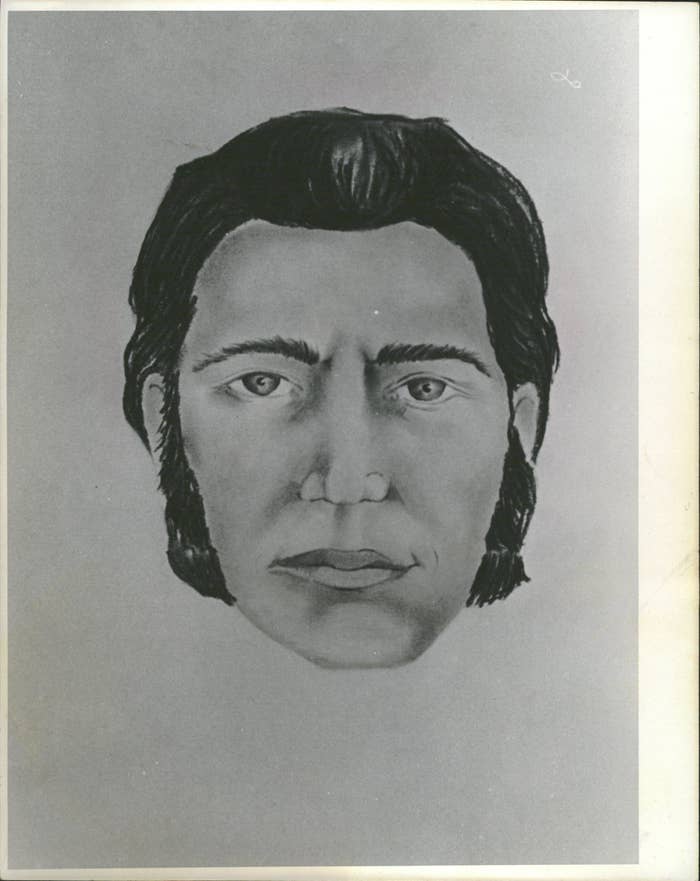
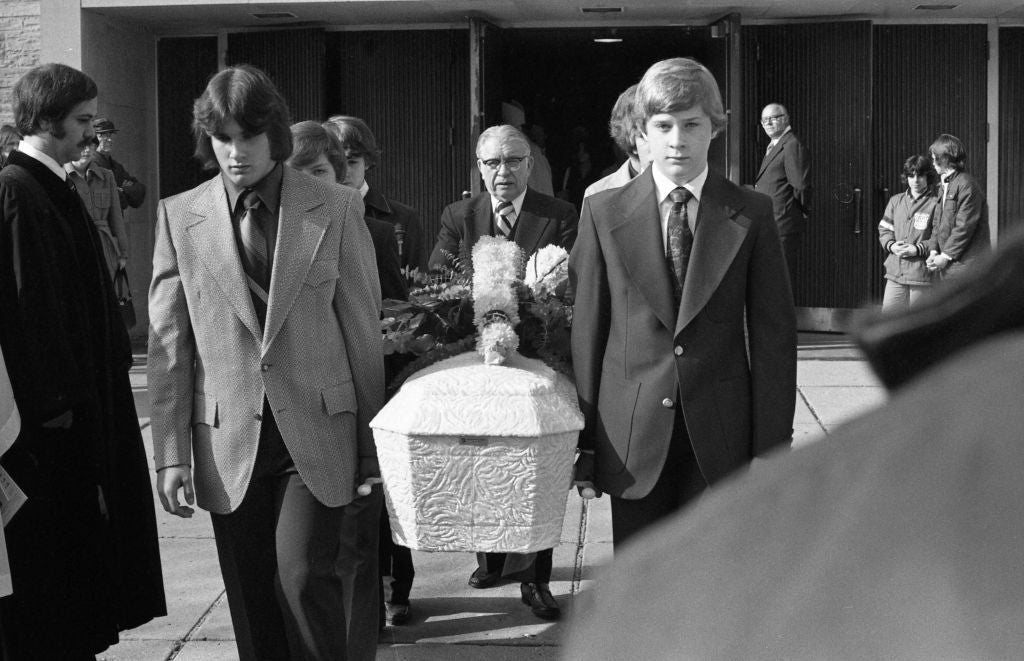
In the spring of 1976, terror gripped suburban Michigan as an elusive predator, later dubbed the Oakland County Child Killer, began abducting children in broad daylight. Among the most chilling details of the case was the killer's meticulous behavior: Victims were held alive for days, fed, bathed, and dressed in freshly laundered clothing before their bodies were left in plain sight.
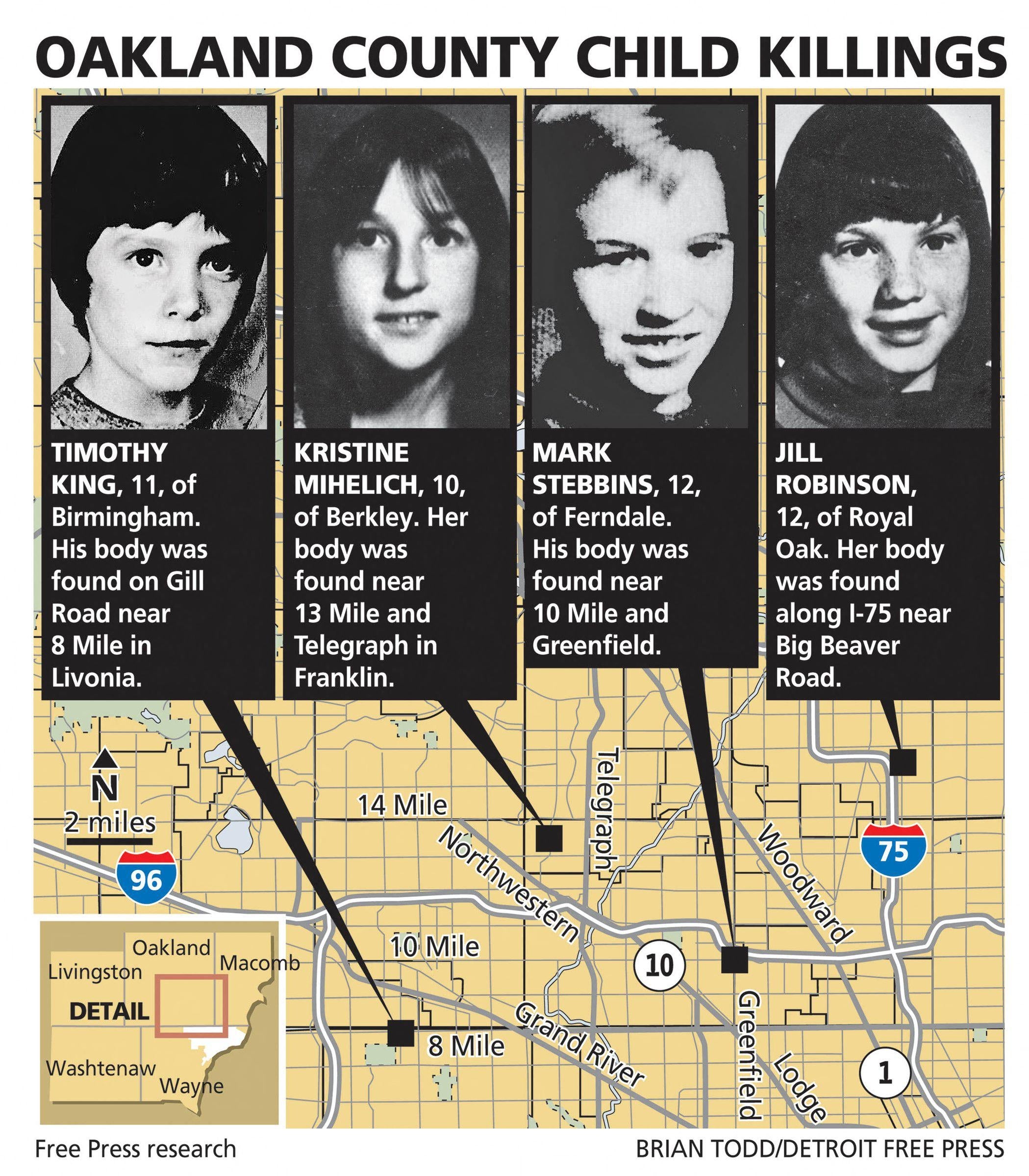
Over a 13-month period between 1976 and 1977, four children — Mark Stebbins, Jill Robinson, Kristine Mihelich, and Timothy King — vanished from ordinary, seemingly safe neighborhoods across Oakland County. The children ranged in age from 10 to 12, and their sudden disappearances shattered the community’s sense of security. Panic spread rapidly, forcing terrified parents to end the era of unsupervised outdoor play, freely riding bikes, and walking to school alone.
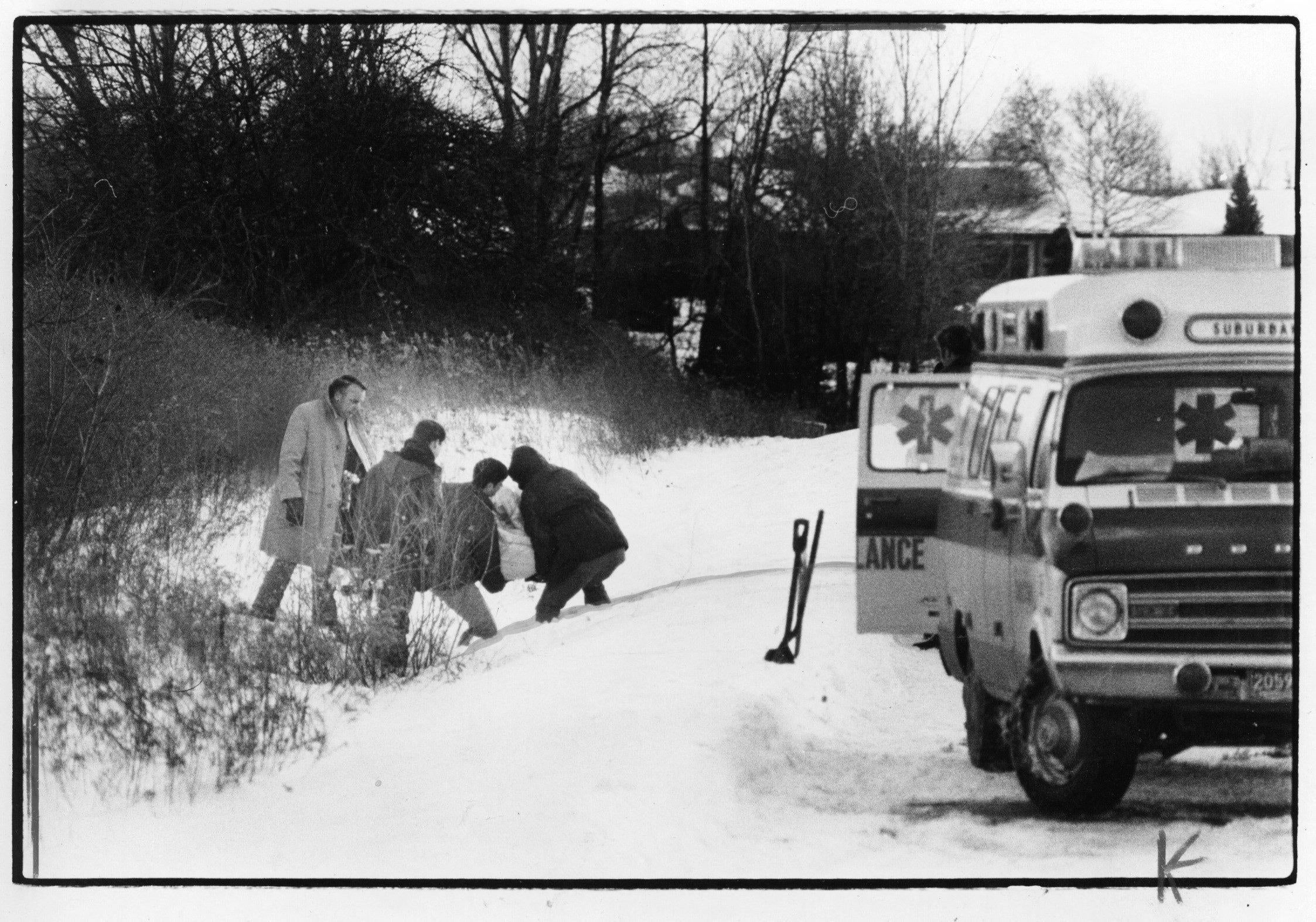
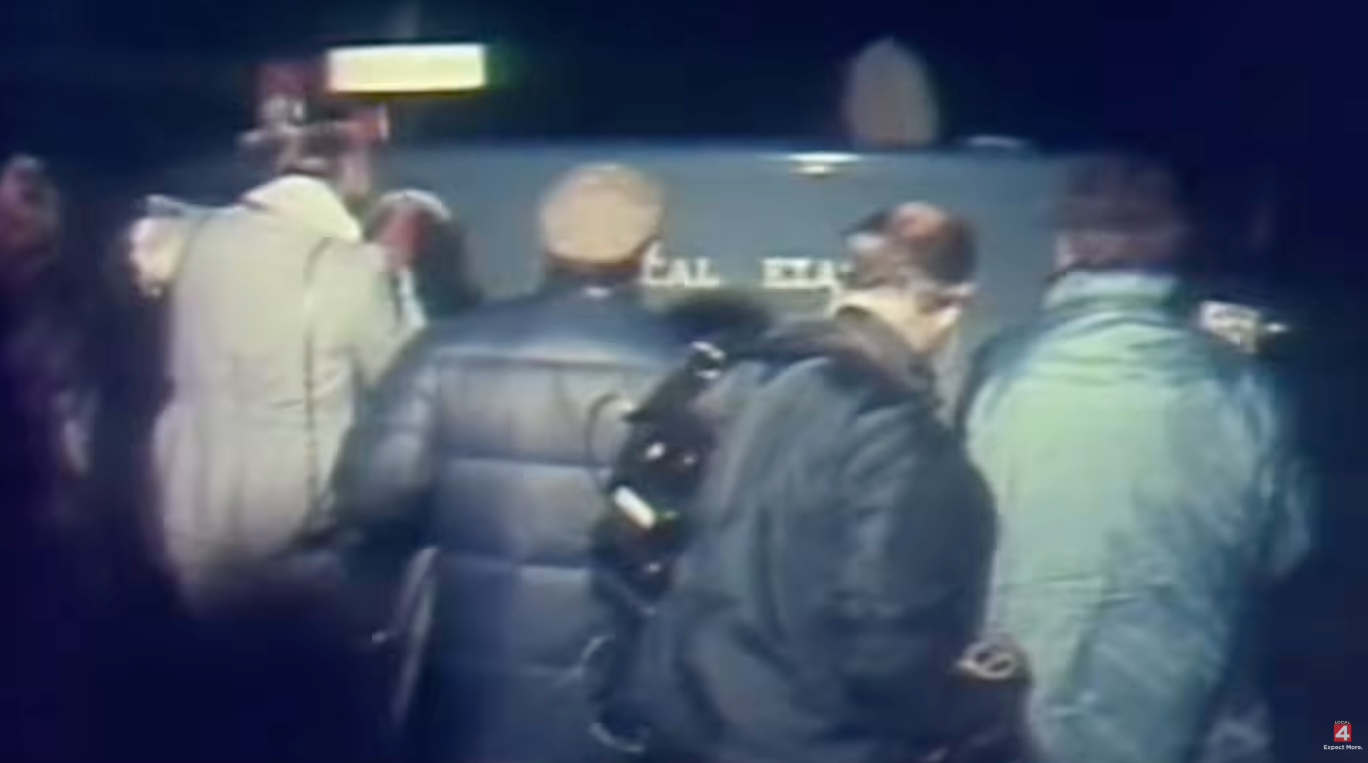
As the multi-agency task force scrambled for answers, the investigation grew increasingly complex. Detectives chased thousands of dead-end leads, while witnesses reported a rotating grid of suspicious vehicles near schools and shopping centers. The killer proved highly organized and calculating, leaving virtually no physical evidence and consistently evading law enforcement. Intense media coverage fueled the widespread panic, with nightly broadcasts keeping a terrified public on edge.
Now, 50 years later, the perpetrator has never been officially identified. Despite decades of renewed investigations, the emergence of modern DNA profiling, and intense public scrutiny, the identity of the killer remains a mystery, leaving the case as one of the most infamous unsolved child murder investigations in American history.
2. The deeply disturbing case of former Miss Switzerland finalist Kristina Joksimovic:

Recently, a Swiss court released deeply disturbing new details in the case surrounding the death of Kristina Joksimovic, who was allegedly killed by her husband, Marc Rieben, in February 2024. Authorities claim Joksimovic was strangled during an argument before Rieben later dismembered her body using a jigsaw, knife, and garden shears in an alleged attempt to conceal the crime. The horrifying nature of the case quickly drew international attention, particularly because Joksimovic had once been a well-known public figure in Switzerland.

And, as if this story couldn’t get any more terrible, according to court documents, investigators also alleged that some of Joksimovic's remains were even “pureed” in a blender.
Rieben reportedly admitted to killing Joksimovic but claimed the death occurred in self-defense, though prosecutors stated forensic evidence did not support his account of events. As investigators pieced together the timeline, authorities allegedly uncovered evidence suggesting the actions taken after the killing involved significant planning rather than panic or spontaneity. If ultimately convicted, Rieben could face life imprisonment under Swiss law.

3. The bone-chilling missing persons case of Lars Mittank, which has continued to fascinate and disturb people around the world for more than a decade.

Mittank was a 28-year-old German tourist who vanished under deeply bizarre circumstances while vacationing in Bulgaria in July 2014. According to reports, Mittank had gotten into a fight with another group of tourists shortly before he was scheduled to fly home with his friends, later claiming he believed the men were connected to dangerous criminals who were trying to kill him.

Although his friends returned to Germany as planned, Mittank stayed behind after doctors reportedly advised him not to fly due to a ruptured eardrum. What initially seemed like an unfortunate travel complication soon spiraled into something far stranger, as Lars’s behavior reportedly became increasingly paranoid and unpredictable in the days leading up to his disappearance.

Over the following days, Mittank repeatedly contacted his mother and allegedly told her he feared for his life, insisting that unknown individuals were following him and monitoring his movements. Reports state that he checked into a cheap hotel near the airport, where staff later described him as nervous, withdrawn, and visibly distressed. At one point, he allegedly hid from people he believed were pursuing him and refused to leave certain areas alone.

The increasingly frantic phone calls alarmed his family back in Germany, especially because friends described his behavior as completely out of character. Some theories later suggested he may have been suffering from a psychological episode possibly triggered by stress, injury, medication, or lack of sleep, while others believed he may genuinely have encountered dangerous individuals during his trip.

Then, in what has become one of the internet’s most unsettling missing persons videos, airport surveillance footage captured Mittank suddenly sprinting out of the terminal, climbing over a fence, and running into a nearby wooded area before completely disappearing. Witnesses later reported seeing him behaving erratically near the airport grounds, but no confirmed sightings have ever explained what happened next.

Despite extensive searches involving police, private investigators, volunteers, and countless online communities, Mittank has never been found. Over the years, theories surrounding his disappearance have ranged from mental health crises and accidental death to organized crime and foul play, but investigators have never uncovered definitive evidence supporting any single explanation. More than 10 years later, he is still missing.

4. The famous death anniversary of Bonnie and Clyde, who died on May 23, 1934, from multiple gunshot wounds:
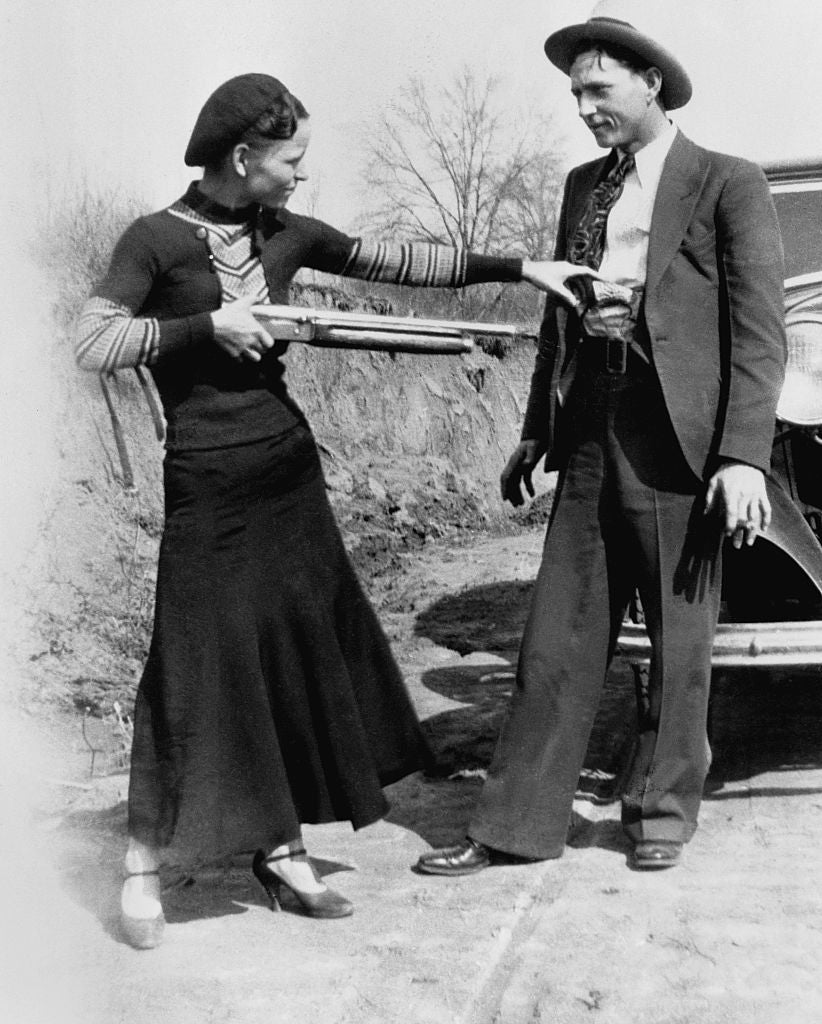
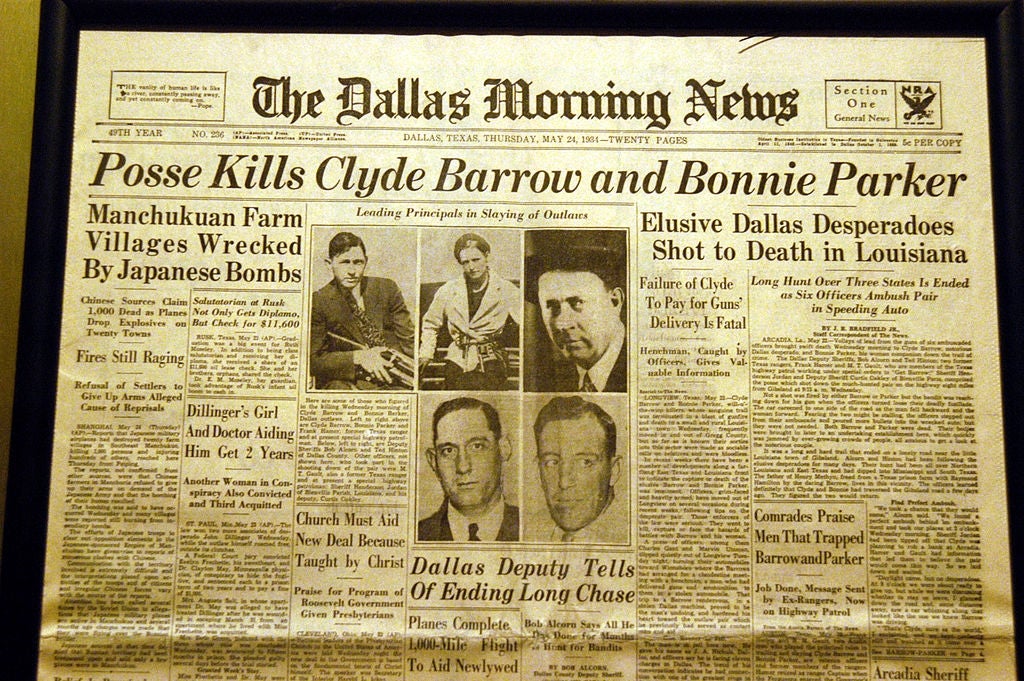
Bonnie Parker and Clyde Barrow were two of the most infamous outlaws in American history, spending the early 1930s robbing banks, stealing cars, and fleeing police across multiple states during the Great Depression. At a time when many Americans were struggling through poverty and economic collapse, the pair’s rebellious image and constant evasion of law enforcement captured massive public attention. Newspapers closely followed their crimes, publishing dramatic headlines and photographs that helped turn the fugitives into near-mythical figures across the country. Over time, Bonnie and Clyde became heavily romanticized in popular culture as doomed young lovers on the run, though the reality surrounding the so-called “Bonnie and Clyde Gang” was far more violent and chaotic.
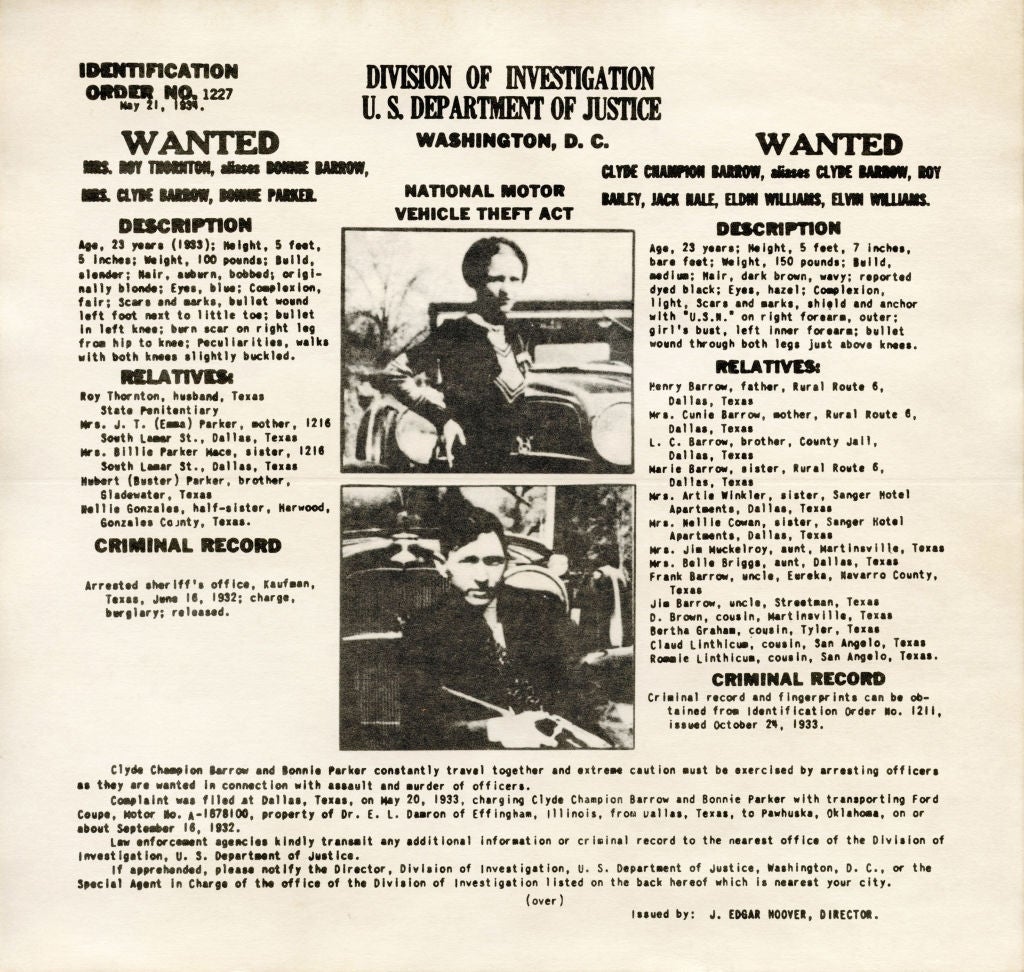
Authorities linked the gang to numerous robberies, kidnappings, and murders during their crime spree, including the deaths of several police officers. The couple lived much of their lives moving constantly from state to state, sleeping in stolen cars, hiding in remote areas, and relying on a small network of accomplices and family members to avoid capture. Despite their glamorous portrayal in later films and media, surviving accounts from the time describe a harsh and exhausting existence filled with injuries, fear, and near-constant pursuit by law enforcement. Bonnie herself was reportedly badly burned in a car accident during one escape attempt, leaving her with injuries that made walking difficult for the remainder of her life.
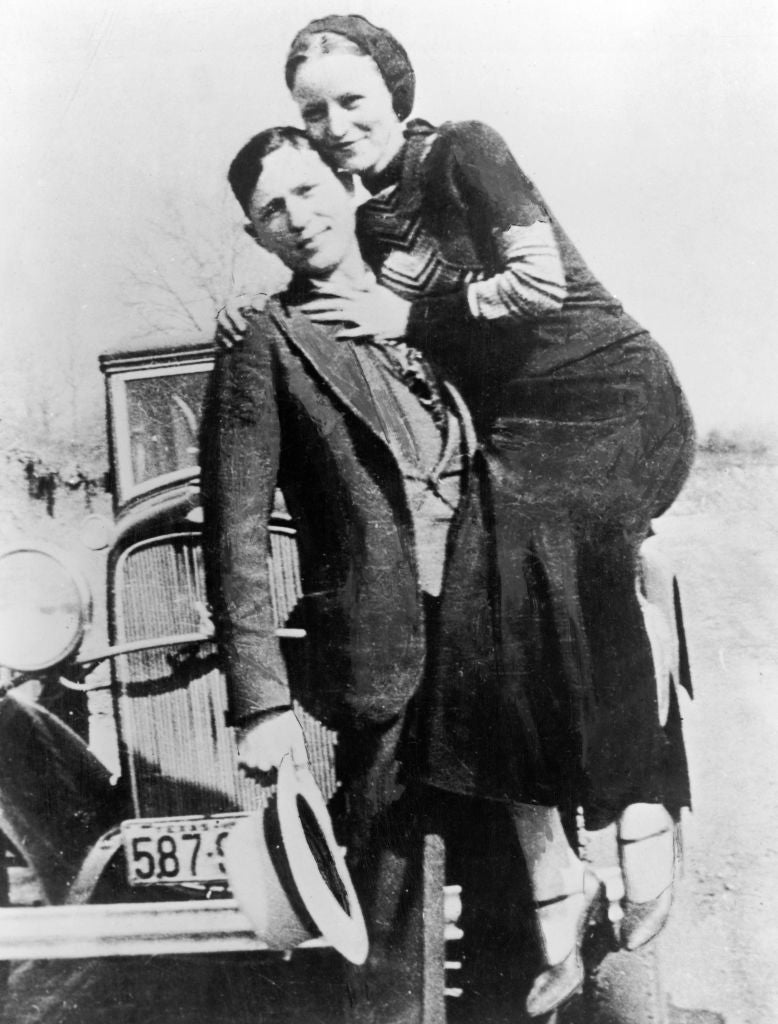
On May 23, 1934, the couple’s run finally came to an end when a team of law enforcement officers ambushed them on a rural Louisiana road near Bienville Parish. Acting on information about the pair’s expected route, officers concealed themselves along the roadside and waited for Bonnie and Clyde’s stolen Ford to appear. The moment the vehicle slowed, police opened fire almost instantly, unleashing a devastating hail of bullets into the car before the couple had any realistic chance to escape. Reports later claimed the vehicle was struck dozens of times within seconds, instantly killing both Bonnie and Clyde and ending one of the most notorious manhunts in American history.
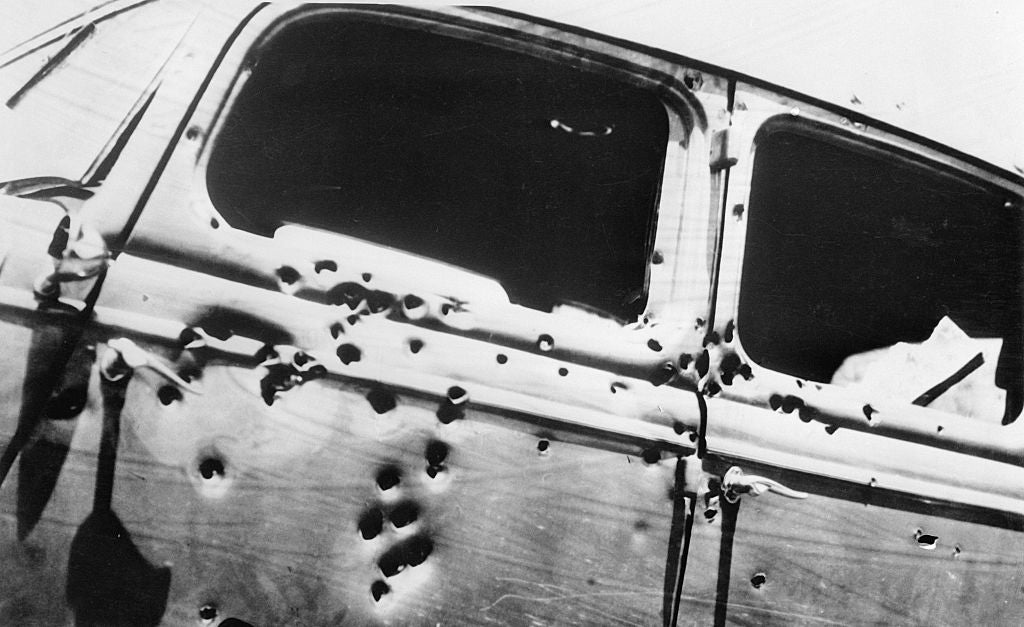
News of their deaths spread rapidly across the country, drawing huge crowds eager to glimpse the bullet-riddled car and the bodies of the infamous outlaws. In the decades that followed, Bonnie and Clyde became permanent figures in American crime folklore, inspiring countless books, songs, documentaries, and films that often blurred the line between fact and legend. Nearly a century later, their story remains one of the most infamous and heavily mythologized crime cases of all time.
5. Finally, the story of controversial killer Karla Faye Tucker:
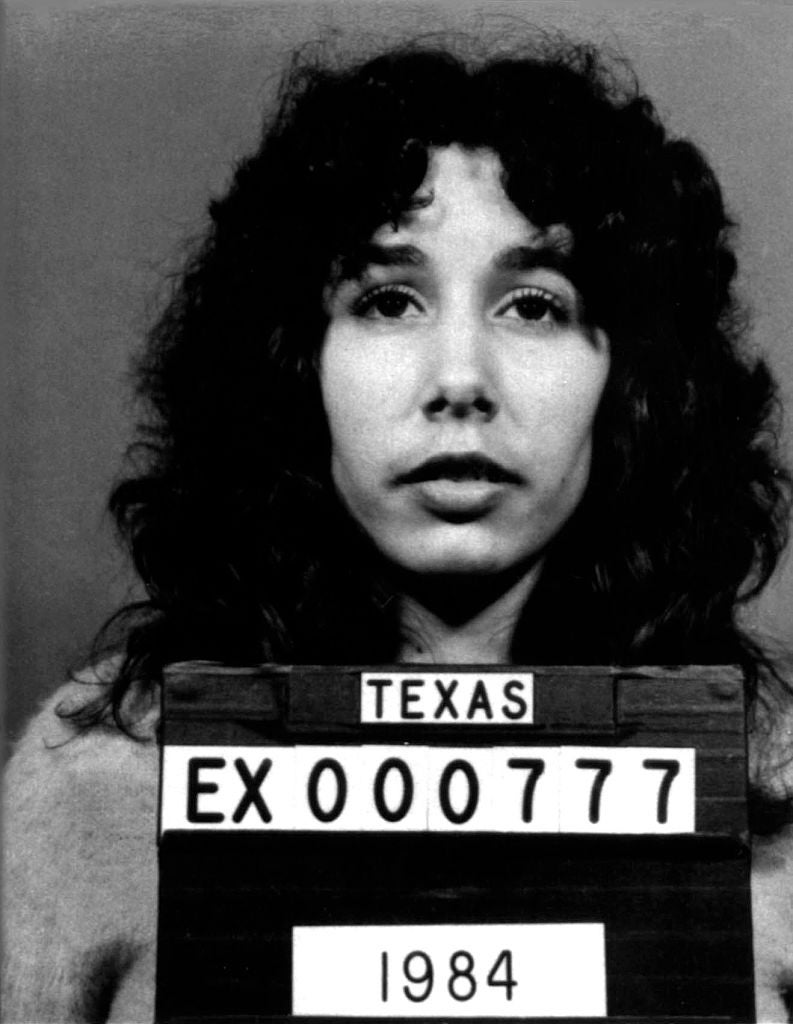
Tucker was convicted of participating in the brutal 1983 murders of two people in Houston, Texas, killings carried out with a pickaxe during a robbery alongside her boyfriend, Daniel Ryan Garrett. The murders shocked investigators because of their extreme violence, with prosecutors later describing the attack as especially savage even compared to other capital murder cases at the time.
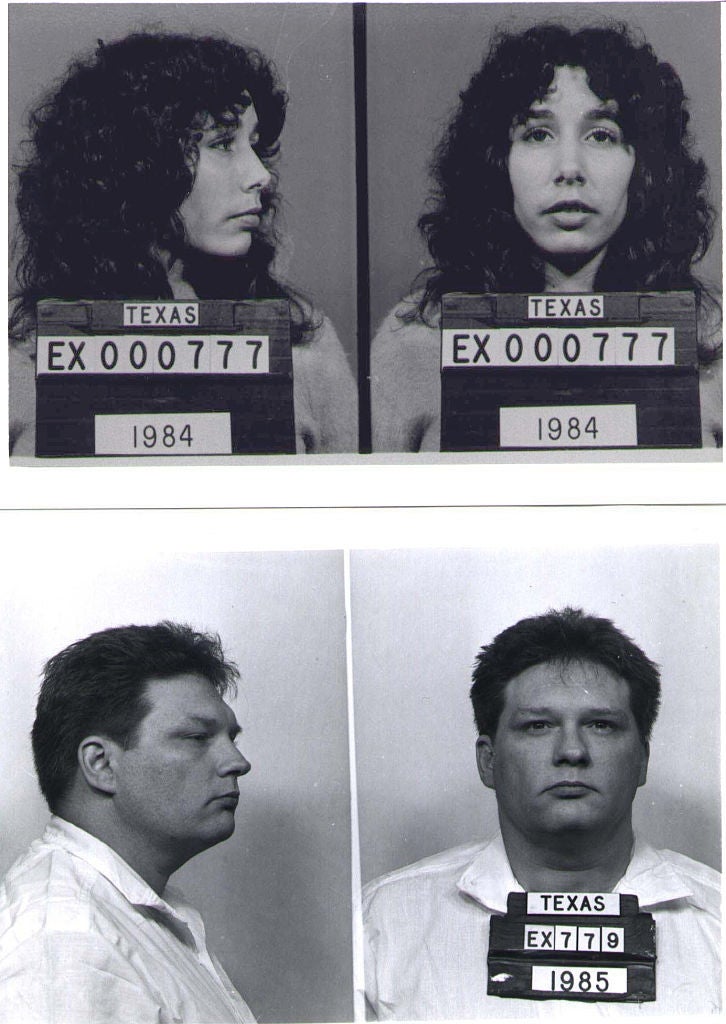
Court testimony revealed that both victims suffered repeated blows during the attack. The horrifying details quickly drew widespread media attention and helped cement the case as one of the most notorious murder trials in Texas history. At the time of the murders, Tucker was heavily involved in drug use and the criminal underworld, something her defense team would later point to when discussing her state of mind during the crime.

After being sentenced to death, however, Tucker underwent a dramatic and highly publicized religious conversion while incarcerated on death row. Over the years, she became one of the most recognizable inmates in the United States, granting interviews in which she expressed remorse for the murders and described herself as a completely changed person. Her case sparked intense national debate over redemption, forgiveness, and whether someone who committed horrific crimes could truly transform while in prison.

Supporters, including celebrities, religious leaders, anti-death penalty activists, and even some correctional officers, argued Tucker had genuinely rehabilitated herself and should be spared execution. Some believed her transformation represented one of the strongest arguments against capital punishment, while others maintained that the brutality of the murders could not be overlooked regardless of her later behavior.
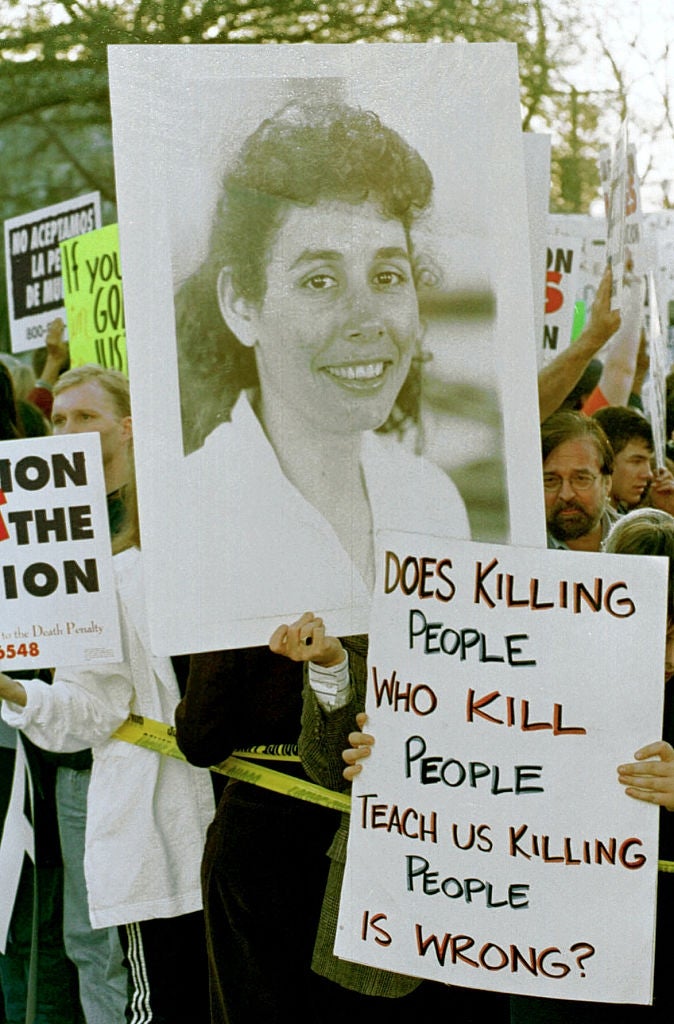
Despite numerous appeals and pleas for clemency, in 1998, Karla Faye Tucker became the first woman executed in Texas in more than 130 years. Her execution received enormous media coverage nationwide, with protesters, reporters, and supporters gathering outside the prison on the night she was put to death by lethal injection.

Her last meal: A garden salad with ranch dressing, a banana, and a peach.

Comments