
&media=https%3A%2F%2Fimg-mkr.buzzfeed.com%2Fbuzzfeed-static%2Fstatic%2F2026-05%2F22%2F18%2Fthumb%2Fel5QBl3gM.jpg%3Fcrop%3D2490%3A1660%3B5%2C0%26resize%3D1250%3A830%3Ftemplate%3Dpinterest-vertical-dots-v1%26title%3DMTIgVHJ1bHkgTWluZC1CbG93aW5nIEZhY3RzIEkgQ2FtZSBBY3Jvc3MgVGhhdCBTb3VuZCBUb3RhbGx5IEZha2UgQnV0IEFyZSBDb21wbGV0ZWx5IFRydWUgKEFuZCBGYWN0LUNoZWNrZWQp%26color1%3Dblack)
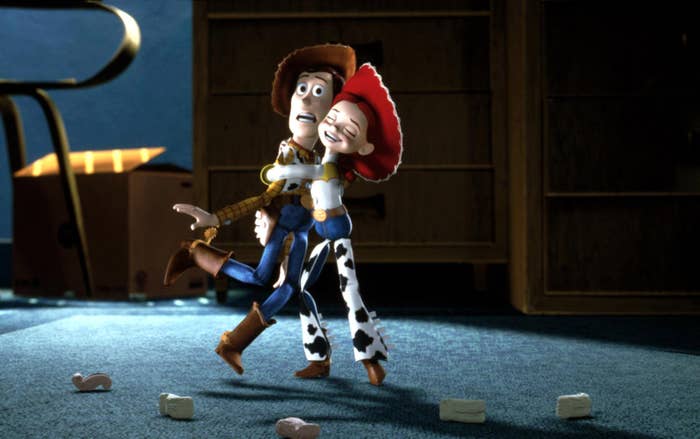
1. It's really hard to imagine now, but Toy Story 2 was originally planned as a low-budget direct-to-video sequel instead of a major theatrical release. After the huge success of the first Toy Story, Disney initially saw the follow-up as something similar to the cheap, straight-to-video sequels that were common in the '90s, like the studio's many animated spin-offs (see the Aladdin sequels). Pixar began developing the movie with a smaller team and a tighter production schedule, expecting it to go straight to VHS.

But as the story came together, and Disney executives saw the footage, they realized the sequel was far better and more ambitious than a typical home video release. The film was eventually upgraded to a full theatrical release, forcing Pixar to rapidly expand production and completely rework parts of the film under intense deadlines. When it finally hit theaters in November 1999, Toy Story 2 was not just a box-office success, but also became a massive critical success. It is considered one of the rare sequels that's just as good, if not better than, the original.
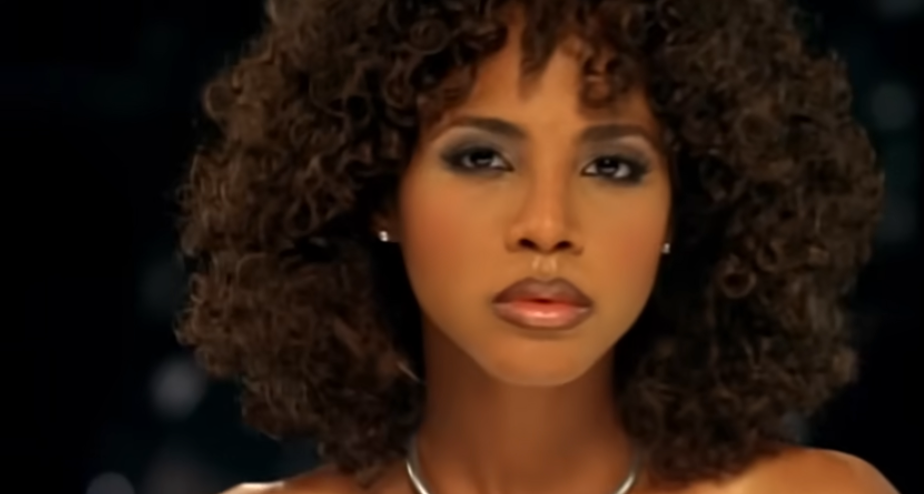
2. When "Un-Break My Heart" was first presented to Toni Braxton, she didn't want to record it because she thought it sounded too much like an adult contemporary ballad. At the time, Braxton was still only around 27 and wanted music that felt younger, trendier, and more in line with contemporary R&B radio in the mid-'90s. She reportedly worried the song would make her seem older than she was, especially since her image and sound were already more mature than those of many younger pop stars of the era.

But producers strongly believed that the Diane Warren-written song was perfect for her and pushed for her to record it. Once released in 1996, the dramatic power ballad became Braxton's signature hit and one of the biggest songs of the decade. It spent 11 weeks at No. 1 on the Billboard Hot 100 and helped turn her second album, Secrets, into a massive success. The song was so successful that she even recorded a Spanish version.
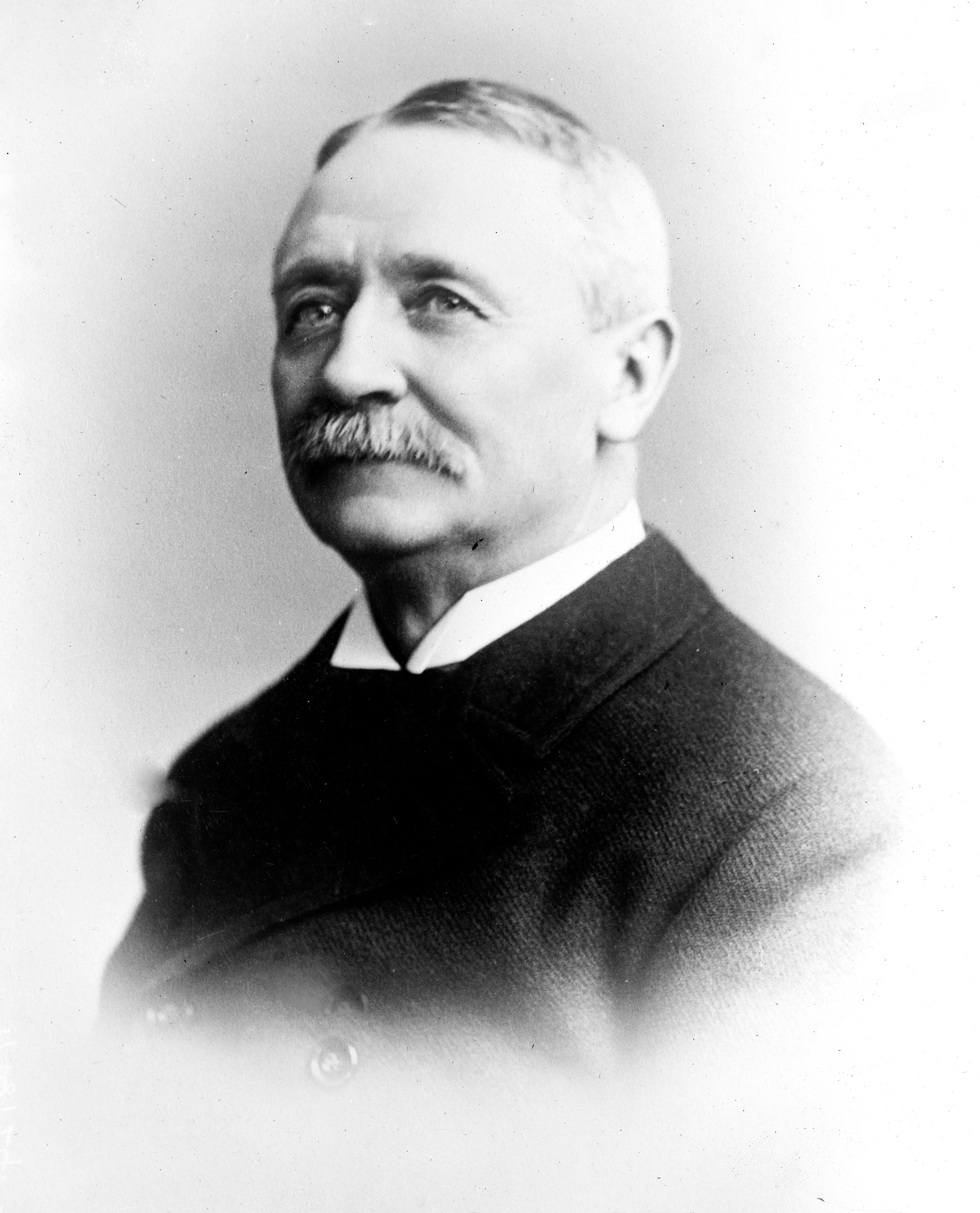
3. John R. Voorhis holds a pretty incredible place in history: he's believed to be the earliest-born person ever formally interviewed on film with synchronized sound. Born on July 27, 1829, Voorhis entered the world less than a decade after Napoleon Bonaparte died and while Andrew Jackson was serving as president. By the time he was filmed in 1929, close to his 100th birthday, movies with synchronized sound were becoming a thing, though it was still a relatively new technology.
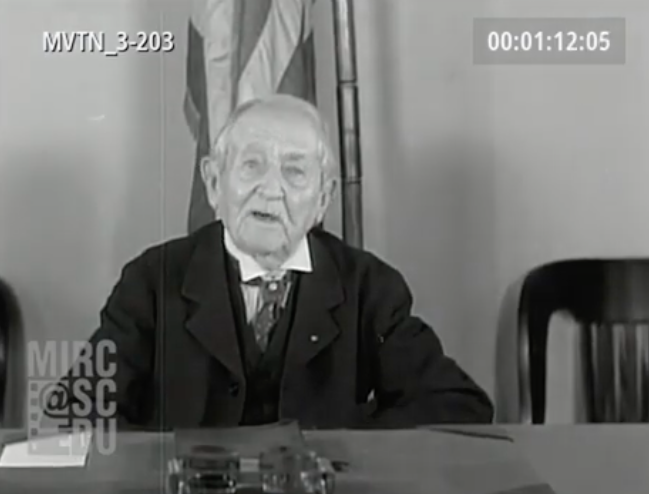
In the interview (which hasn't been entirely digitized yet), Voorhis spoke about his life and memories as someone who had lived through the 19th century, including the American Civil War. What makes the footage wilder, when you think about it, is that he was born before photography was even common. He was old enough that he heard first-hand stories about the Revolution from his grandfather. Voorhis was also a New York City politician who spoke to the New York Times about the changes he had seen in the city in honor of his 100th birthday. He died at age 102 in 1932, which, to put it in perspective, was the same year Disney started releasing Technicolor cartoons.
4. Whoopi Goldberg's audition for The Color Purple was actually pretty unusual. After reading the novel the movie is based on, Goldberg became obsessed with being part of the adaptation and even wrote a letter directly to its author, Alice Walker, saying she would "play dirt on the floor" if it meant being involved. To her surprise, Walker knew who she was because she had seen her one-woman show; in fact, Walker recommended her for the role of Celie to the movie's director, Steven Spielberg. Goldberg was invited to audition for an undisclosed role and movie at his studio, but in an unconventional way: she was told she could perform parts of her act.
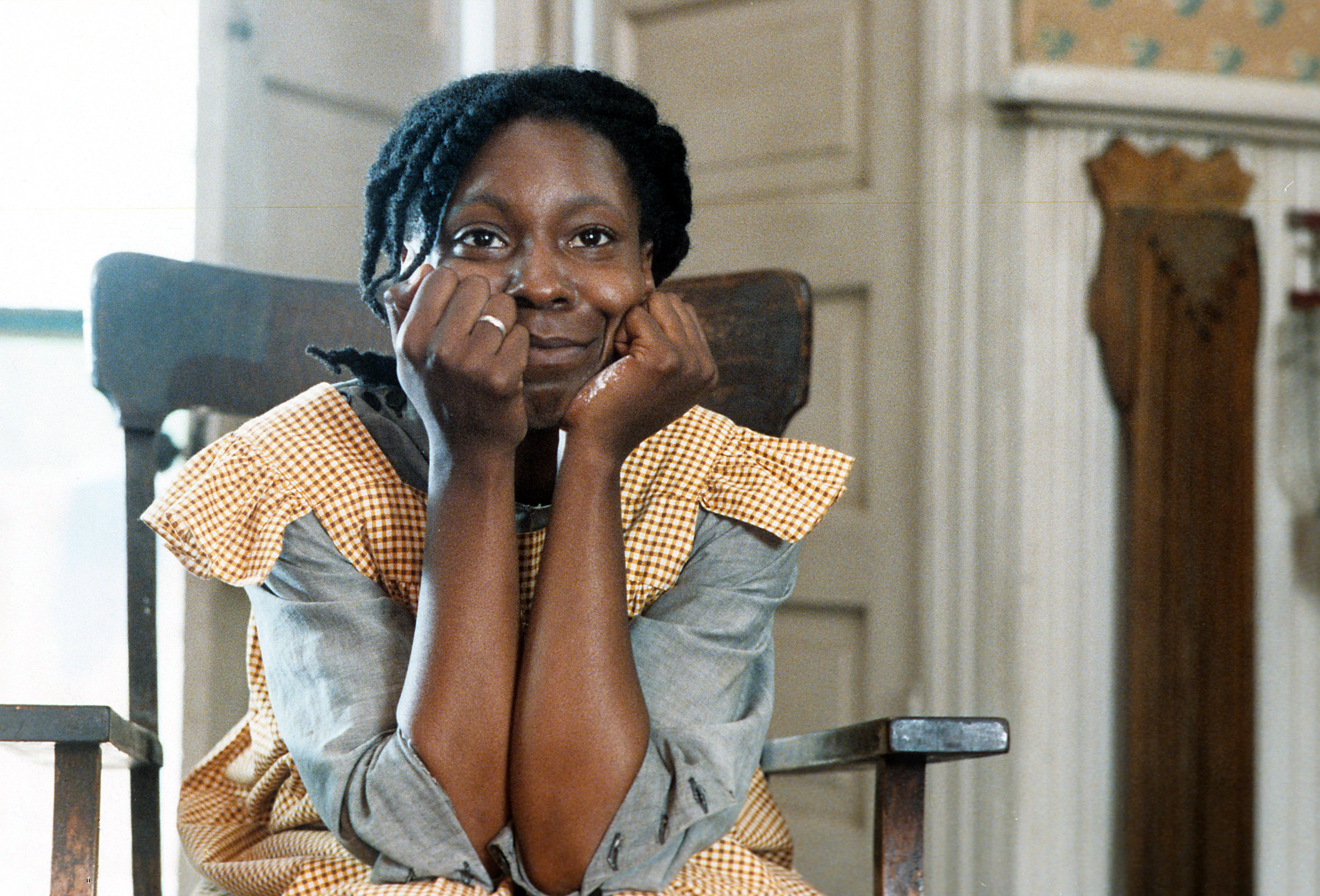
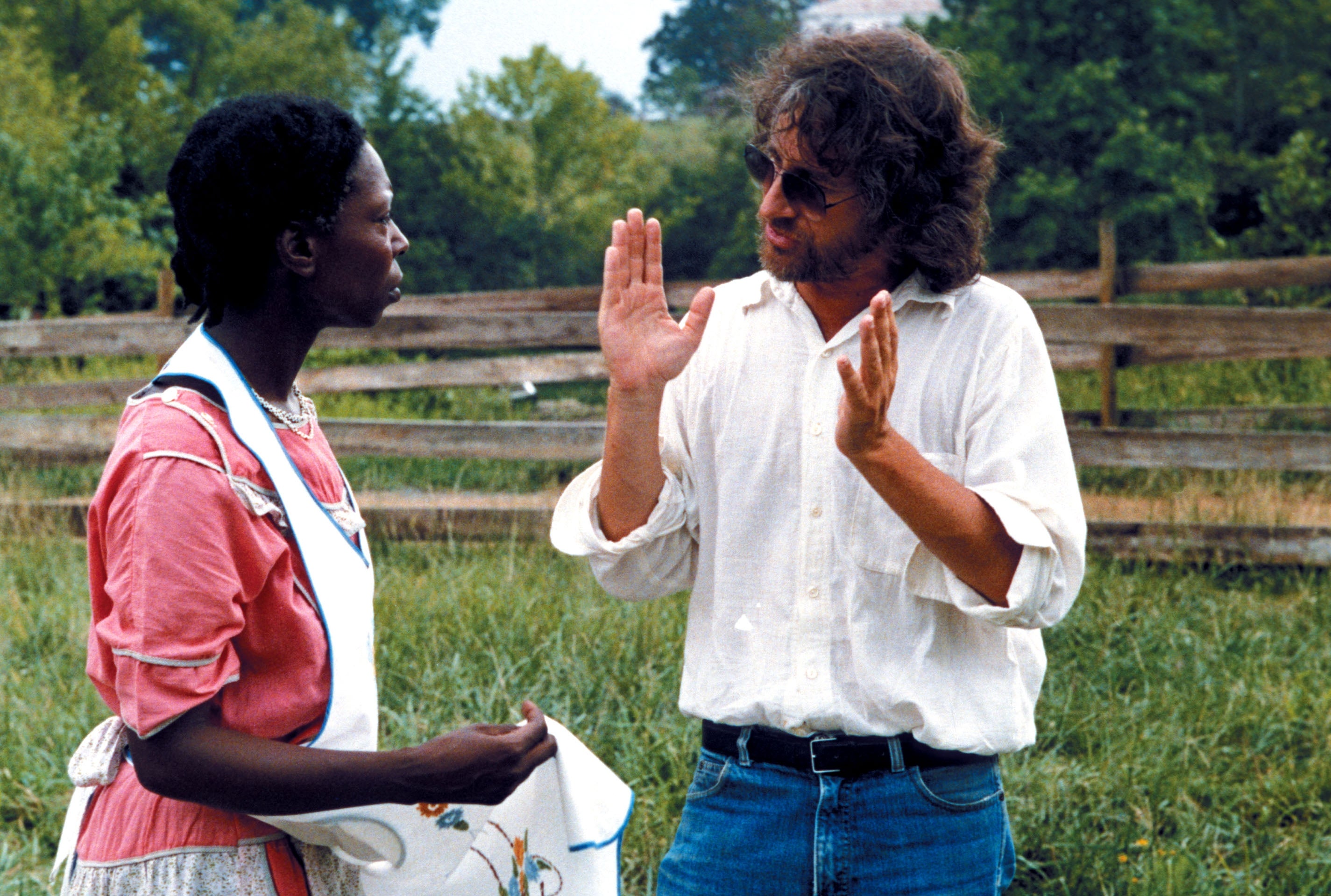
Before her audition, her management warned her not to do the BL.E.T. material (jokes about E.T. being Black and landing in Oakland). When a nervous Goldberg showed up, she found herself doing her routine in front of not just Spielberg but also Quincy Jones, Michael Jackson, and Ashford & Simpson. She completely had them falling over with laughter, and when they asked for more, she went into her BL.E.T. set, which had Spielberg laughing. He then offered her the role of Celie, but she was hesitant, saying she didn't know how to make a movie, to which Spielberg replied that he knew a lot about making movies and "I can help you." She, of course, accepted the part and was later nominated for Best Actress.
5. Even though palm trees are among the most recognizable symbols of LA, most aren't native to Southern California at all. Many of the city's famous palm trees were imported from places like Mexico, the Canary Islands, and the Middle East during the late 1800s and early 1900s, at a time when LA tried to market itself as a glamorous tropical paradise. While tens of thousands were also planted before the 1932 Summer Olympics to give the city a more dramatic, cinematic look that would later be tied to old Hollywood imagery.
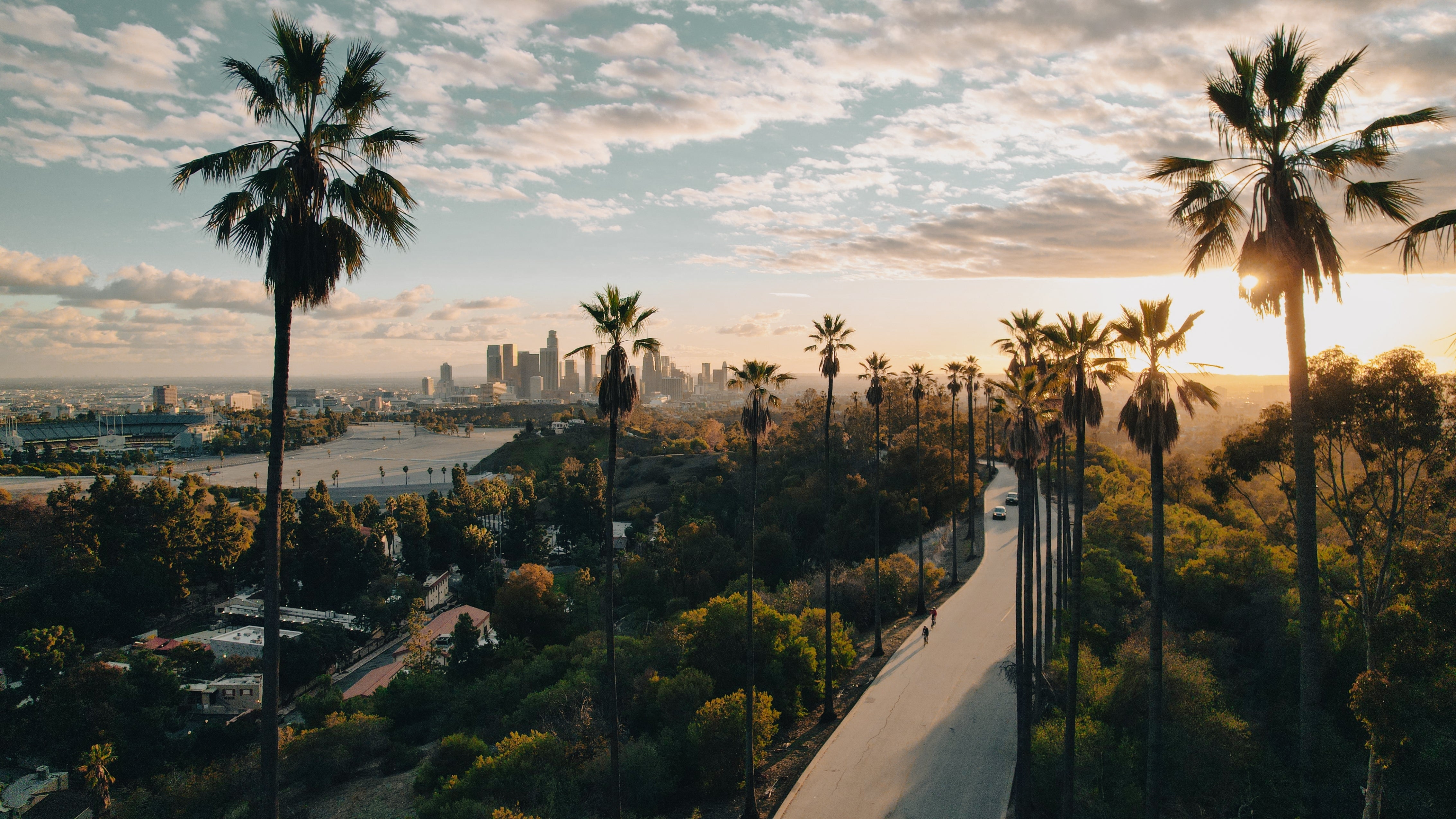
But despite how iconic they seem, most palm species in LA live only about 75–100 years and are now reaching the end of their natural lifespan. Many are also being wiped out by drought, climate stress, and fungi. Because palm trees provide relatively little shade, require expensive maintenance, and pose a fire hazard, they will be phased out and not replaced. So large areas of LA's famous palm-lined streets will gradually disappear over the next few decades.

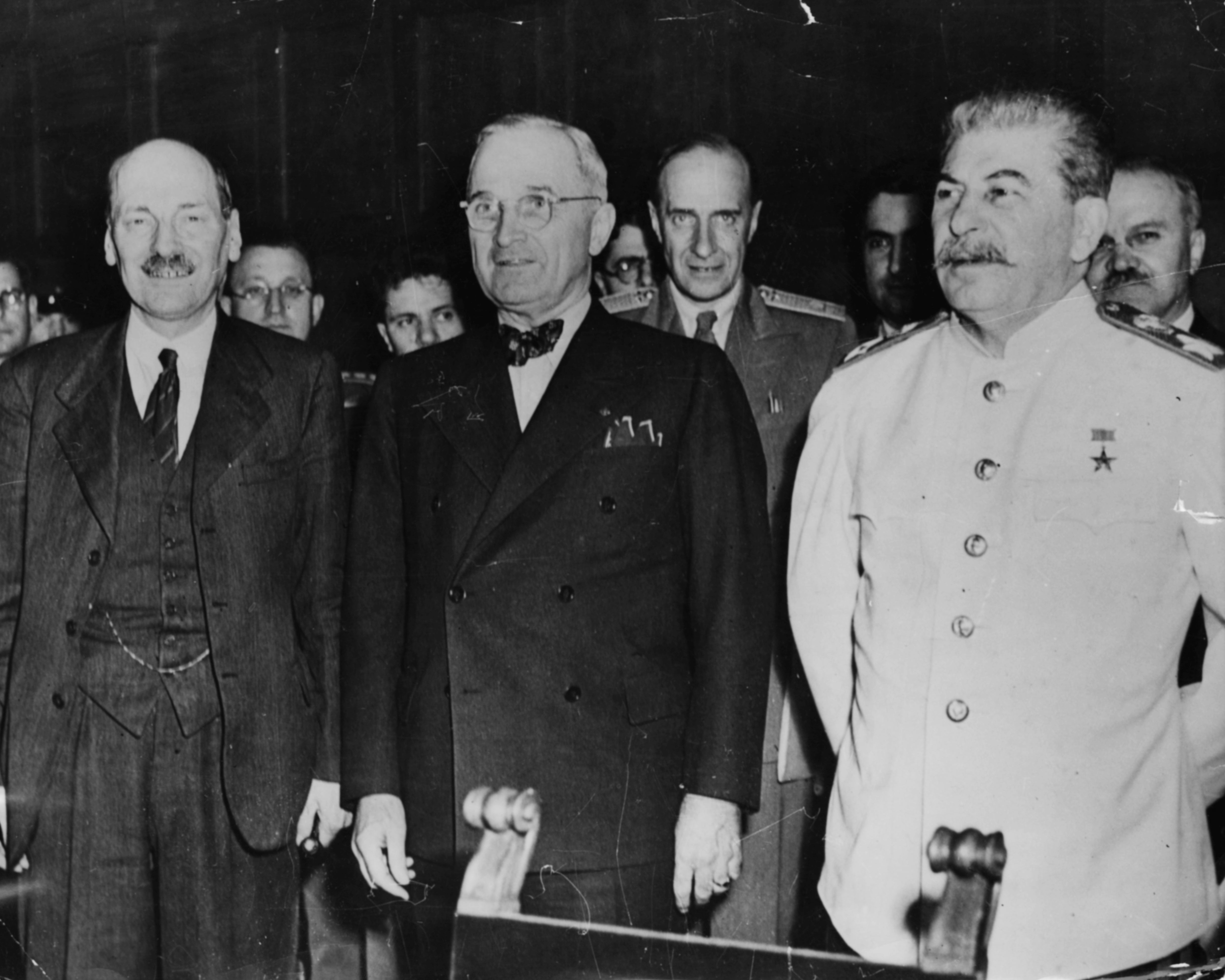
6. The Manhattan Project was kept so, so secret during World War II that even Vice President Harry S. Truman had no idea it existed while serving under Franklin D. Roosevelt. Because of fears that Nazi Germany could discover the program or build its own nuclear weapon first, information was shared on an extremely strict need-to-know basis. When FDR suddenly died in April 1945, Truman unexpectedly became president and was quickly briefed on the existence of a weapon powerful enough to destroy an entire city.
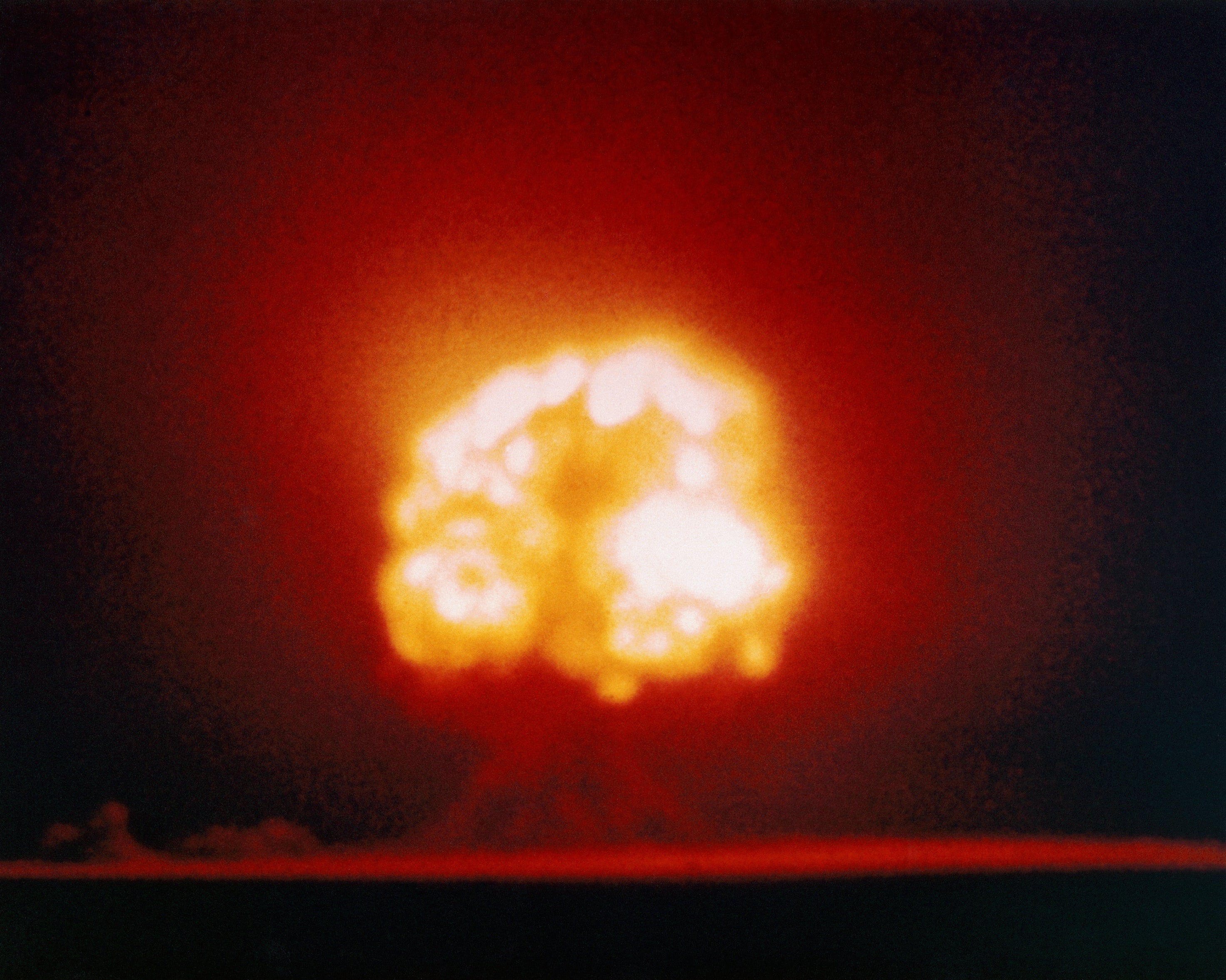
Ironically, while the American vice president had been kept completely in the dark, the Soviet Union already knew about the project thanks to spies embedded within the program, including physicist Klaus Fuchs. Soviet leader Joseph Stalin was reportedly already aware of the bomb before Truman even hinted at it during the Potsdam Conference later that year. The espionage operation helped the Soviet Union rapidly develop its own nuclear weapons program, setting off the nuclear arms race that would define much of the Cold War.
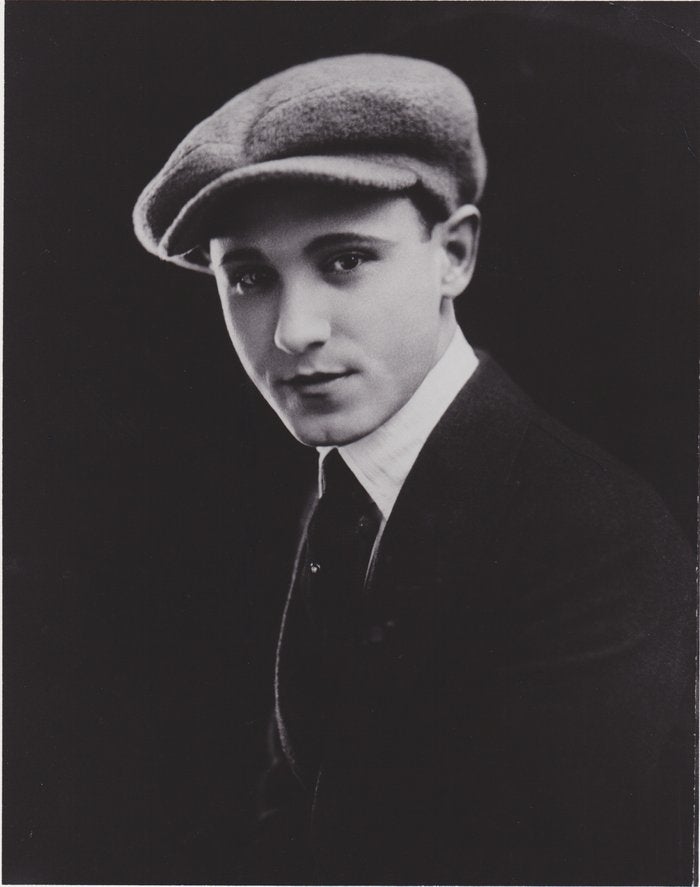
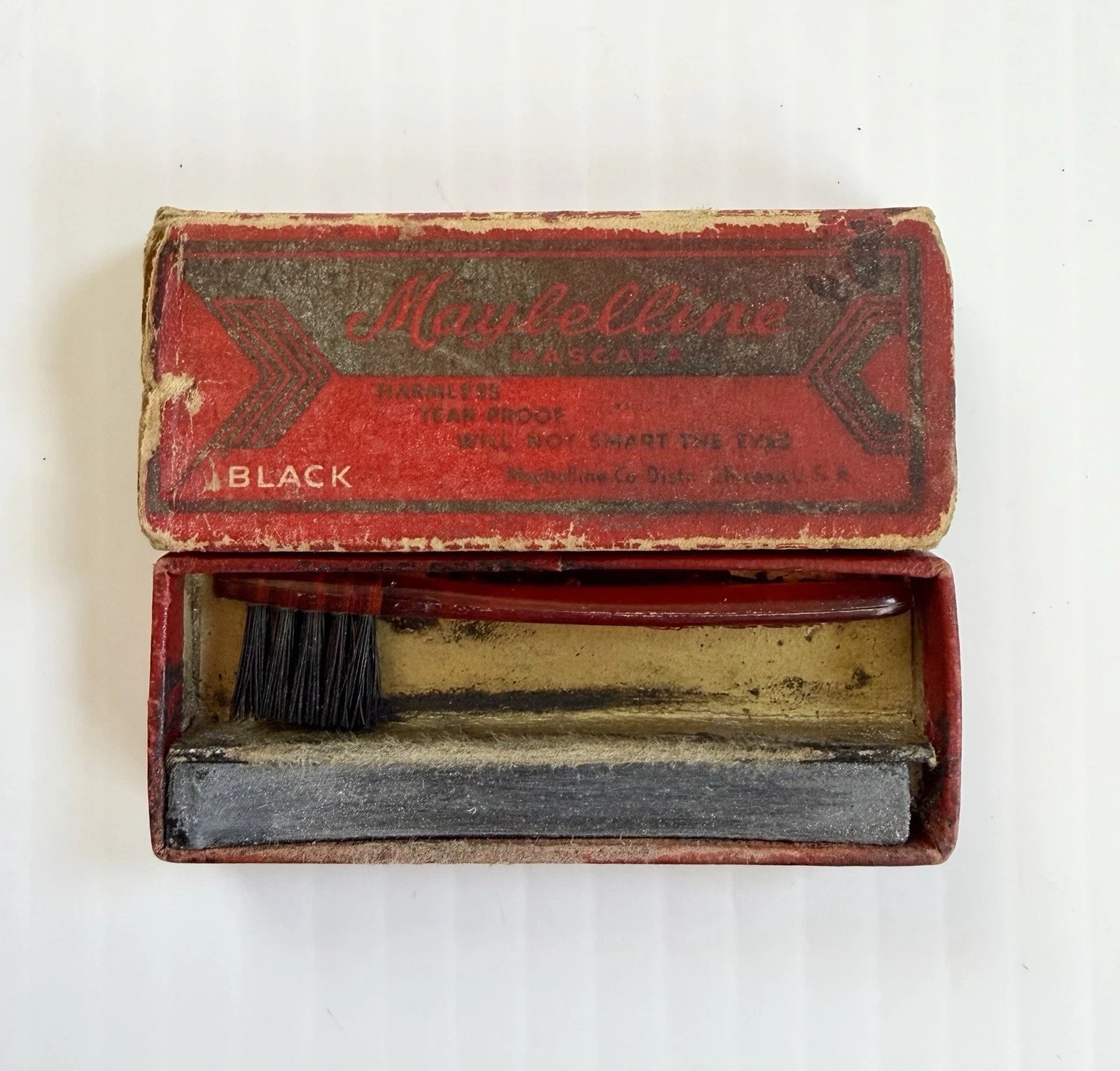
7. The origins of Maybelline trace back to a surprisingly homemade beauty trick from the early 1910s. Founder Thomas Lyle Williams, who was a pharmacist, got the idea for mascara after seeing his sister Mabel darken her eyelashes using a mixture of Vaseline and coal dust or ash to make her eyes stand out more in order to catch the attention of a guy she had a crush on. At the time, modern eye makeup barely existed, so many women improvised with homemade products to create dramatic looks inspired by silent film stars and early Hollywood glamour.
Williams realized there could be a market for a safer, easier-to-use commercial version and began experimenting with formulas in Chicago. In 1915, he launched what became one of the world's first mass-market mascaras and named the company "Maybelline" by combining "Mabel" with "Vaseline," the key ingredient in the original mixture. The product really took off in 1917, when he created cake mascara, which Hollywood actresses began using both on and off screen.
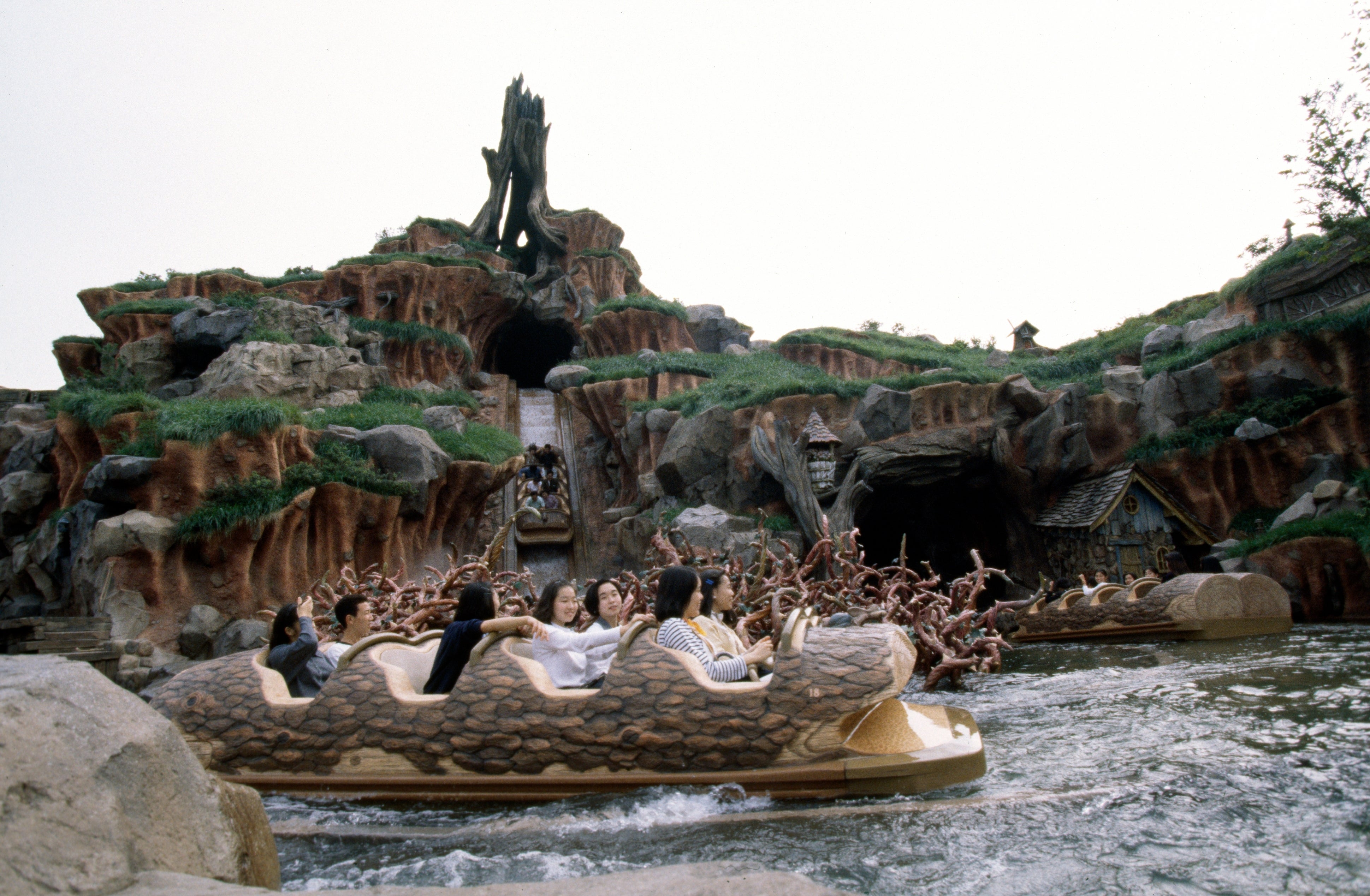
8. If you've ridden Tiana's Bayou Adventure (formerly Splash Mountain) at both Disneyland and Magic Kingdom, you may have noticed the ride vehicles are designed completely differently. Disneyland's version keeps the classic single-file log flume layout where riders sit one behind another, while the Florida version seats guests two across in pairs. Well, contrary to popular belief, it really has nothing to do with the size of the parks.
Both Magic Kingdom's Splash Mountain and Tokyo Disneyland's Splash Mountain were developed at the same time. One thing they learned from Disneyland, which opened first, was that the ride capacity could be higher if they allowed more people on the log (something both parks wanted), so the decision was made to modify the classic log flume design and create one that allowed side-by-side seating. This increased the ride capacity from five to eight people per log. Now, there is another unsubstantiated reason, that, allegedly, Imagineers reportedly discovered through research that Japanese guests were less comfortable sitting directly behind strangers in a narrow single-file arrangement and would be more likely to ride if seated side-by-side with friends or family. But as I said, that has never been confirmed and is likely just internet theories.
9. This may be hard to believe because there hasn't been a time in the last 30 years that there haven't been Star Wars toys, but for a decade, there was really nothing. When Star Wars first came out, the Kenner Products toy line became one of the biggest merchandising hits in history. Stores could barely keep the action figures, play sets, and vehicles in stock throughout the late '70s and early '80s, especially as the original trilogy expanded with new films. But after the last movie in the original run, interest in new toys dropped sharply, and the line eventually faded out as there were no new films driving demand, and there was growing, stiff competition from various toy lines with cartoon tie-ins, like He-Man and the Masters of the Universe and Transformers.
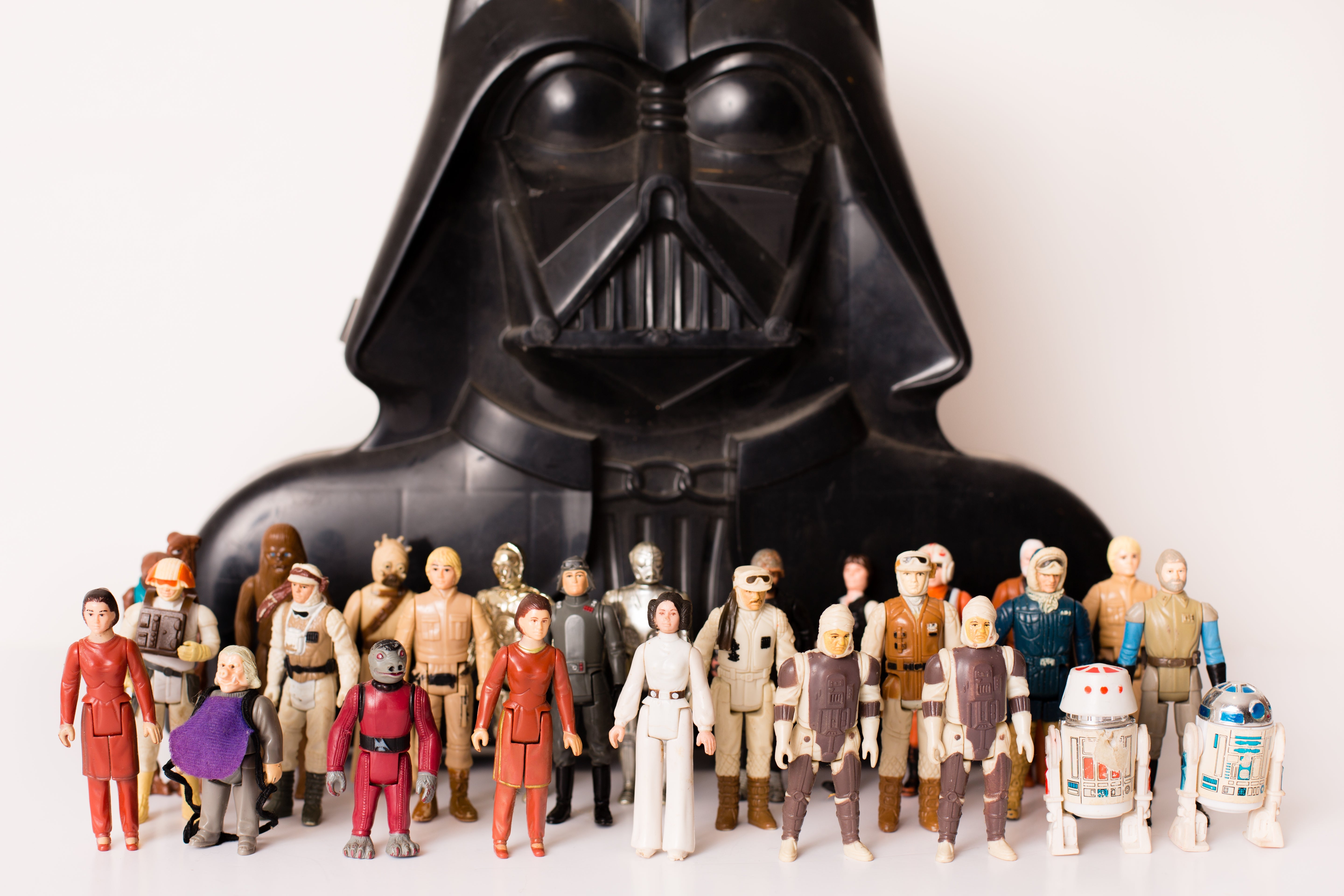
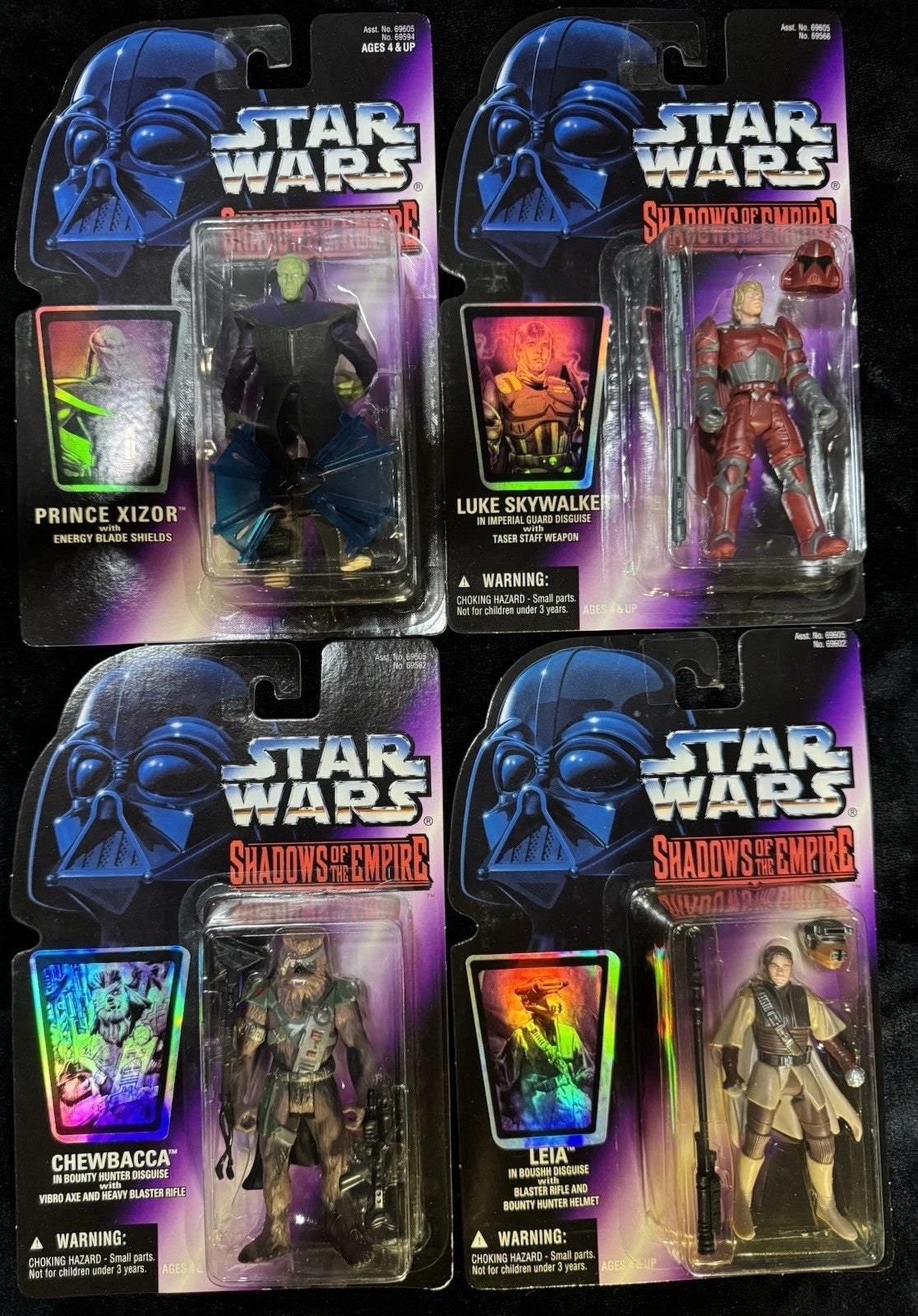
From the mid-'80s to the mid-'90s, Star Wars merchandise largely disappeared from store shelves. That really changed in 1996 with Shadows of the Empire, a major multimedia project that filled the gap between The Empire Strikes Back and Return of the Jedi, introducing new characters, ships, and storylines. The project, which anchored everything like a movie would, revived interest in the franchise and led to a new wave of toy releases, bringing Star Wars back into major retail circulation for a new generation. With the releases of the Special Editions and Star Wars: Episode I - The Phantom Menace came even more toys, and the line would never leave toy shelves again.
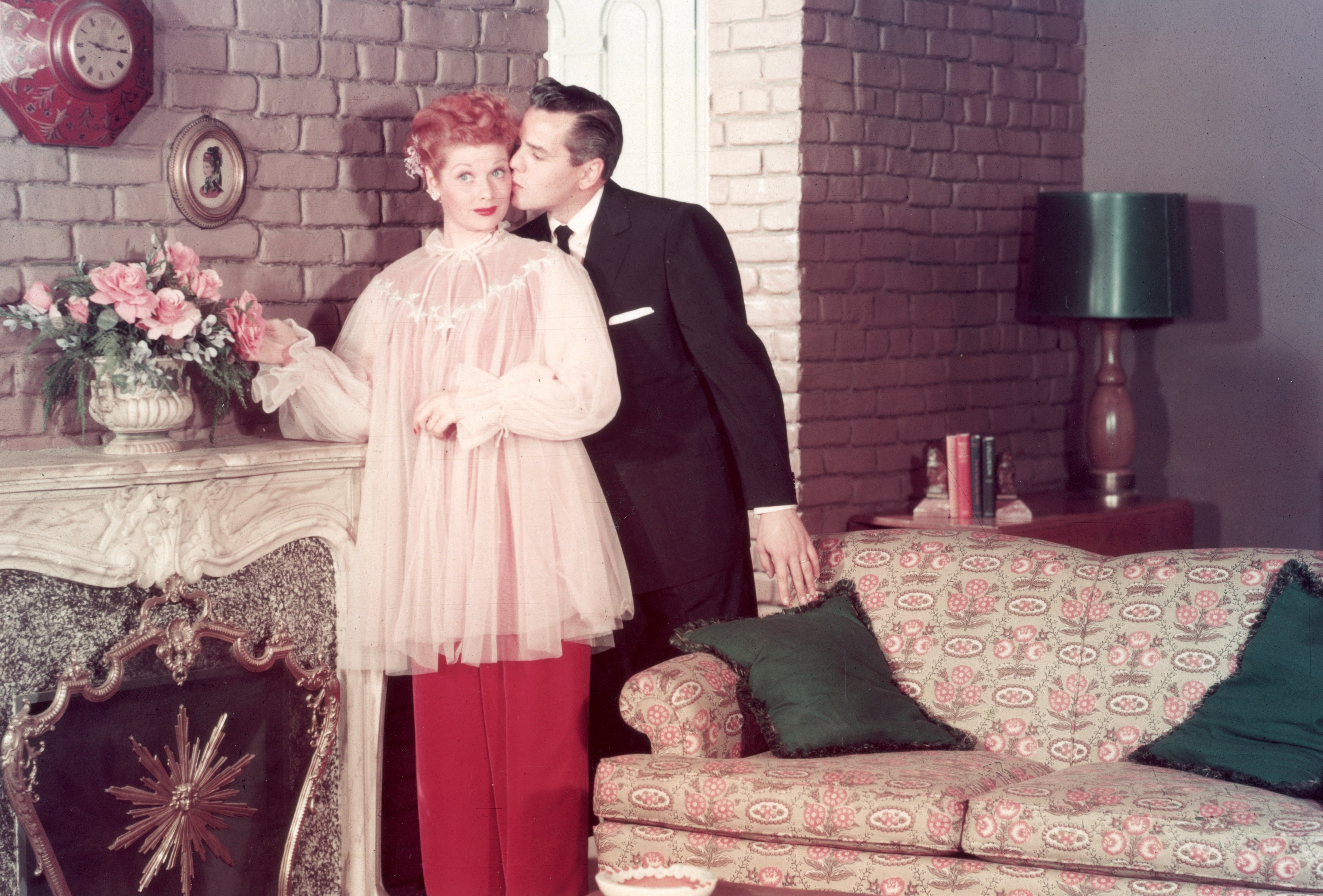
10. At the height of I Love Lucy's popularity in the '50s, Lucille Ball and Desi Arnaz actually created a feature-length I Love Lucy movie for theaters. The 1953 project, called I Love Lucy: The Movie, combined several first-season episodes with newly filmed scenes to create one continuous story. At the time, television-to-movie adaptations were NOT a thing, and the film was meant to capitalize on the sitcom's massive success across the US. The movie was screened only once for a test audience in Bakersfield, California, and reportedly received a lot of positive reactions.
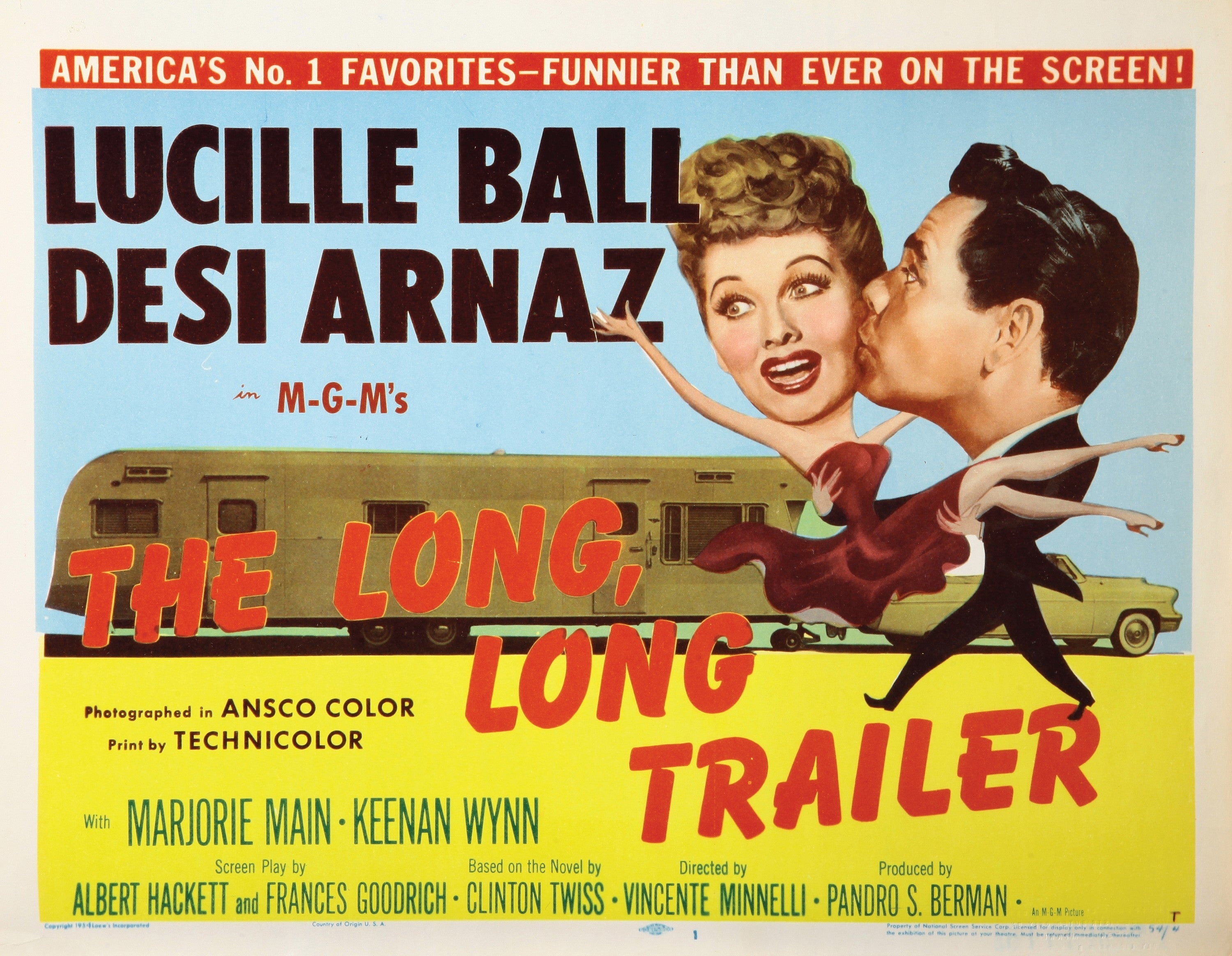
But executives at MGM weren't happy and worried the project would compete with Ball and Arnaz's upcoming non-I Love Lucy theatrical film, The Long, Long Trailer, so the movie was shelved before its official release. For decades, the film was considered a lost piece of television/movie history until it was rediscovered in the early '00s and finally released on DVD.
11. Steven Spielberg's involvement with Jurassic Park really happened by chance. He was originally meeting with the book's author and his decades-long friend, Michael Crichton, about a medical-drama film script Crichton had written (that eventually would become the TV series E.R.).
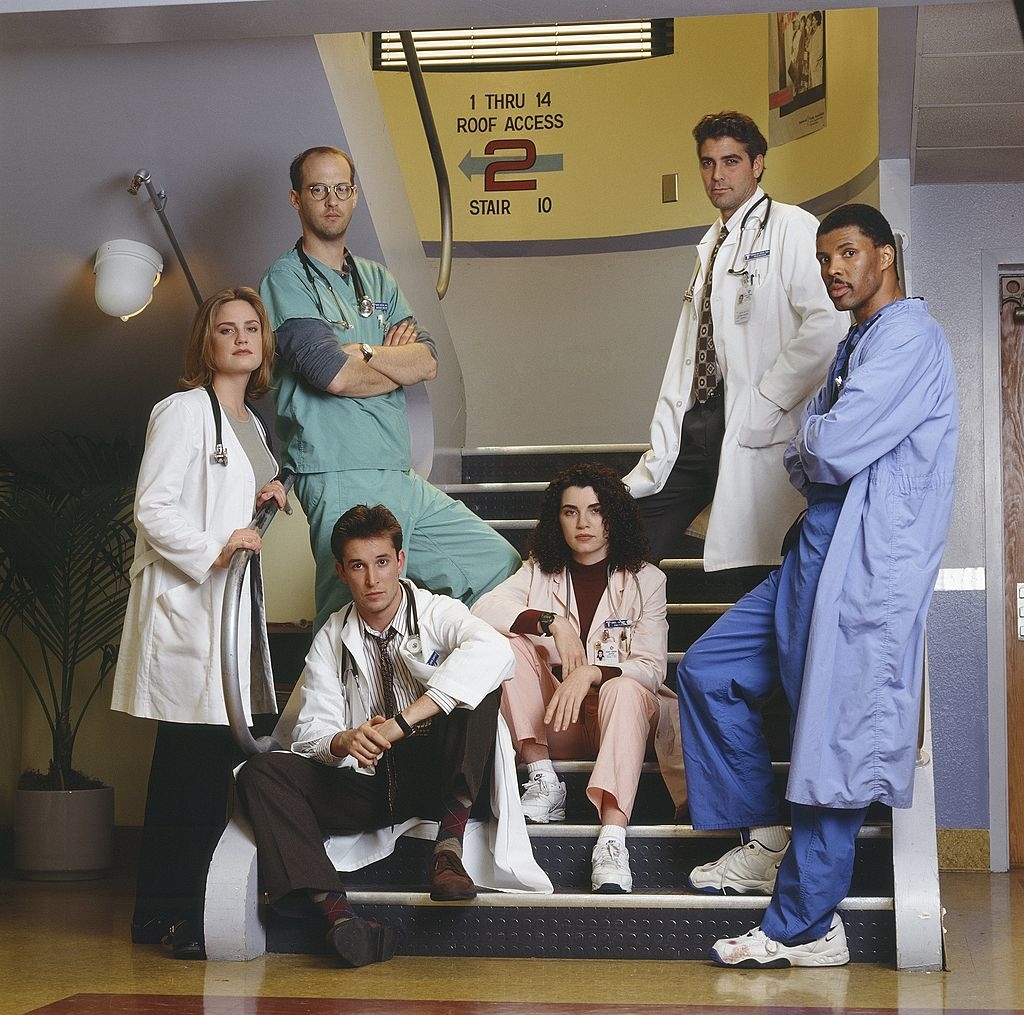
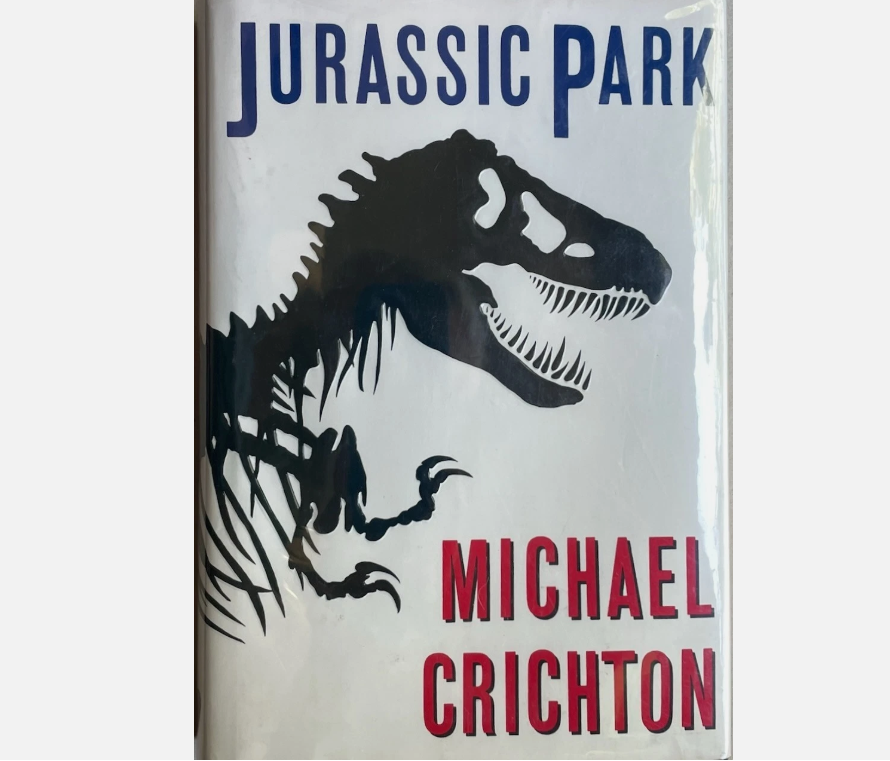
However, as the two were about to begin to talk about the script, Crichton brought up what his next, not-yet-published novel would be about: dinosaurs being brought back to life using DNA. Spielberg loved the story, called Jurassic Park, and that's all they ended up talking about for the next few hours. He then had Universal buy the film rights as soon as they were available in May 1990 — six months before the book was even published.
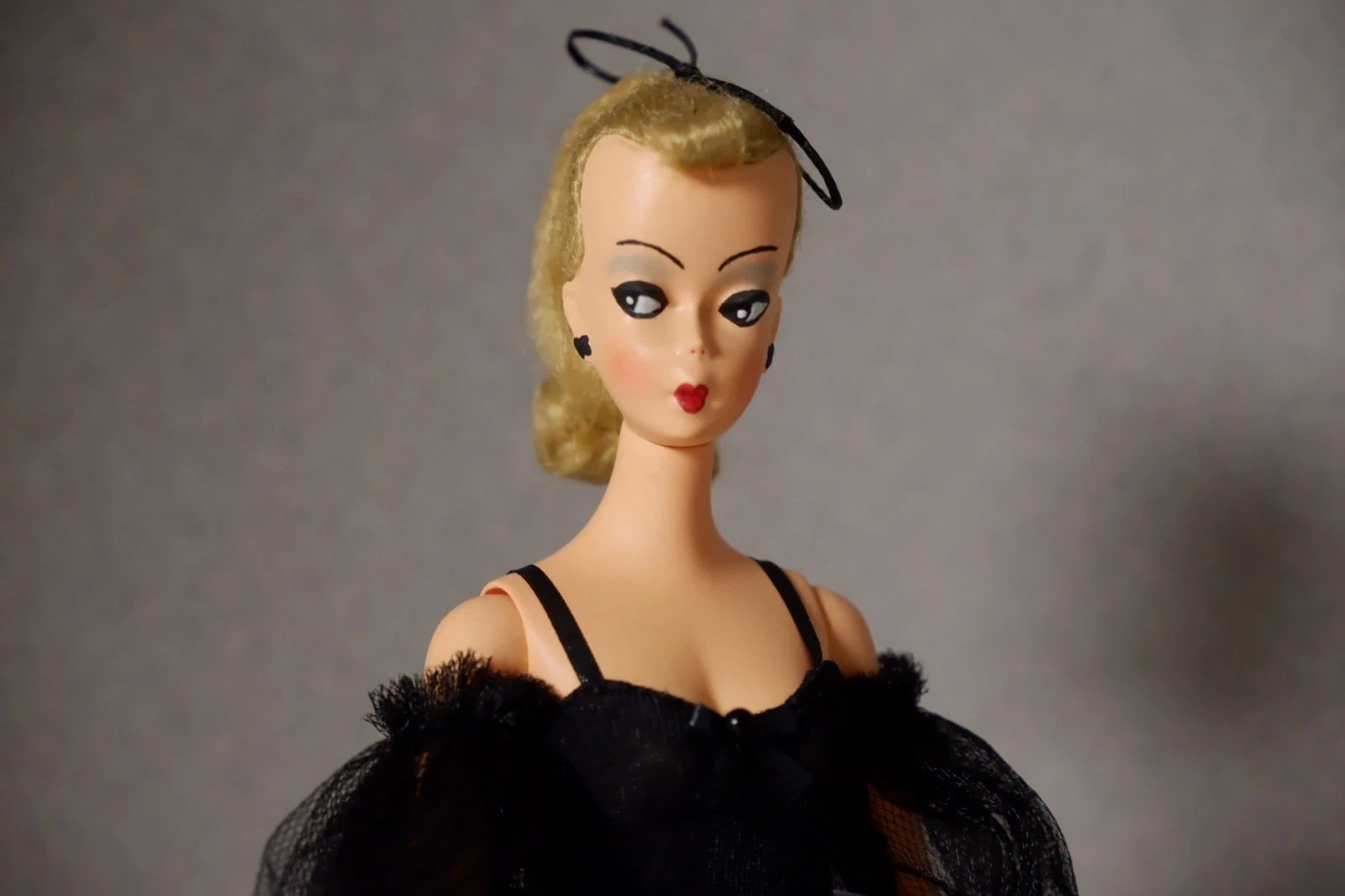
12. And lastly, Barbie's original design was inspired by a German adult novelty doll called Bild Lilli, that were typically sold at cigarette stores and given as gag gifts at bachelor parties. Unlike typical baby dolls of the time, Lilli had adult features and a fashionable wardrobe, which Handler thought would appeal to young girls who wanted to imagine playing grown-up roles

She brought the idea back to the US and modified it to make it more child-friendly and suitable for play. This included softening the doll's features and creating a variety of outfits and accessories. Mattel would acquire the rights to the Bild Lilli doll (seen below) in 1964 and stop production of them.
Comments